Shipping Container Hunting Cabin: Cost, Setup, and Real-World Tips

A shipping container hunting cabin is a robust, cost-effective, and infinitely customizable solution that can be easily installed in the wilderness. This type of hunting cabin is more secure than the conventional wooden structure, has fewer maintenance hassles, and is easily upgradable with off-grid facilities like solar power.
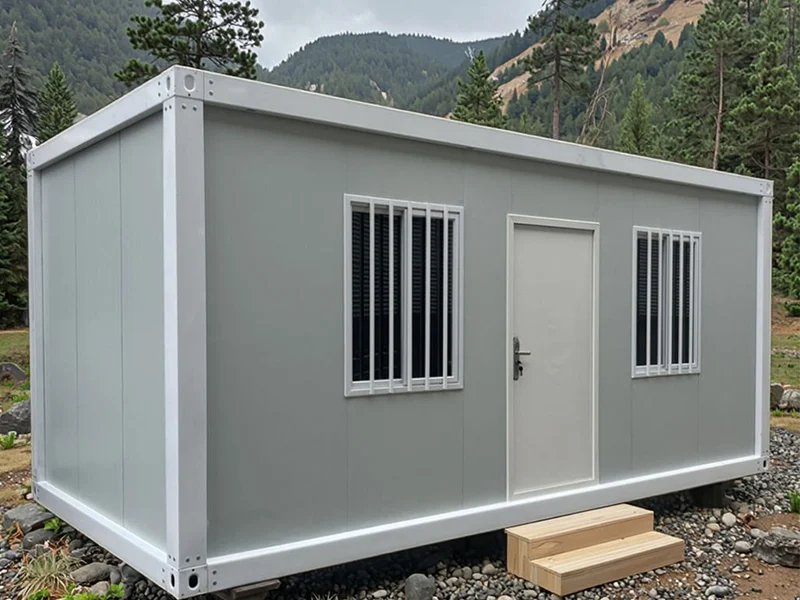
Why Choose a Shipping Container Hunting Cabin?
First and foremost, hunting cabins need to be functional. They need to be able to withstand the elements, be secure when the hunter is away, and be low maintenance. This is where shipping containers excel.
A regular shipping container is built to withstand the harsh conditions of the sea. This means:
- Robust weather resistance
- No pests or rodents to worry about
- Secure steel doors
- Can be easily transported to the hunting site
Unlike the conventional wooden structure, shipping container hunting cabins are relatively quicker and easier to set up. However, they do need proper insulation and ventilation to be converted into comfortable living quarters.
Typical Costs and Budget Breakdown
The most common question people ask is: how much does a shipping container hunting cabin cost?
Here is a reasonable cost breakdown of the entire project, using average figures:
| Component | Estimated Cost (USD) |
|---|---|
| Used 20ft container | $2,000 – $4,000 |
| Delivery to site | $500 – $2,000 |
| Insulation & interior finishing | $2,000 – $6,000 |
| Windows & doors | $800 – $2,500 |
| Solar power system (optional) | $1,500 – $5,000 |
| Heating (wood stove or electric) | $300 – $2,000 |
| Total Estimated Cost | $7,000 – $20,000+ |
Design Options: From Simple to Fully Equipped
1. Basic Setup (Minimalist Approach)
- Insulated walls
- Small window openings
- Bunk beds or sleeping platform
- Portable heater
2. Mid-Level Cabin
- Proper flooring
- Wall paneling
- Solar lighting system
- Compact kitchenette
- Rainwater collection
3. Advanced Off-Grid Cabin
- Solar panel with battery backup
- Water filtration system
- Composting toilet
- Smart ventilation system
Insulation: The Most Important Upgrade
- Spray foam, which is the most efficient but also the most expensive
- Rigid foam, which is a balance of price and effectiveness
- Mineral wool, which is fire-resistant
Off Grid Power: Why Solar Makes Sense
Hunting cabins are typically located far from the power grid. The cost of running power lines to them can be expensive and impractical.
Solar power is the answer to this problem.
A small solar power system suitable for a hunting cabin:
- Consists of 2 to 6 solar panels
- Includes battery storage (LiFePO4 is recommended)
- Has an inverter to support AC-powered appliances
Benefits of using solar power:
- Fuel is not required
- Quiet operation is essential in a hunting cabin
- Low maintenance is required
- It is easy to scale up as your energy requirements grow
New types of solar-powered containers, such as those provided by HighJoule, combine storage and living space in one convenient package. This is now becoming a trendy solution in hunting cabin design.
Real-World Example
A hunting party in Montana converted a 20ft container into their seasonal hunting cabin. Their system consists of:
- Spray foam insulation
- Wood-burning stove
- 800W solar system
- Fold-down beds to save space
Total cost of their system was approximately $14,500
Benefits of their system:
- Can be used from early fall to late winter
- Requires minimal maintenance over 3 years
- Provides greater security than their previous wooden cabin
Greatest benefit of their system:
No more damage from wildlife or thieves during off-season months
Key Advantages and Limitations
Advantages
- Fast installation process that can be completed in just days
- Durable
- Secure
- Easy to relocate if needed
Limitations
- Needs insulation and ventilation upgrades
- Limited width – only up to 8 feet
- Cutting steel requires proper tools and planning
Practical Tips Before You Build
When planning your shipping container hunting cabin, remember the following:
- Choose the right container size
20 feet is easier to transport
40 feet provides more living space - Plan your ventilation
Poor ventilation can cause condensation issues - Local regulations
Some areas require special permits - Plan for the future
Although your needs might be simple now, plan your container’s layout to accommodate upgrades
Final Thoughts
A shipping container hunting cabin is not just the latest fad. It’s the modern solution for the modern-day hunter. It’s the answer to the question: how do I build the perfect hunting cabin? The answer is flexibility. You can build it small and simple and add features over time. The possibilities are endless. The container provides the perfect platform for your off-grid retreat.


