Solar Power 4000W System for Home: Is It Enough?

A 4000W (4kW) solar power system will typically be sufficient for powering a small to medium-sized home, including the basics, as well as significantly reducing your electricity bills. Nevertheless, the sufficiency of a solar power system will depend on your consumption, location, as well as whether you have a battery pack.
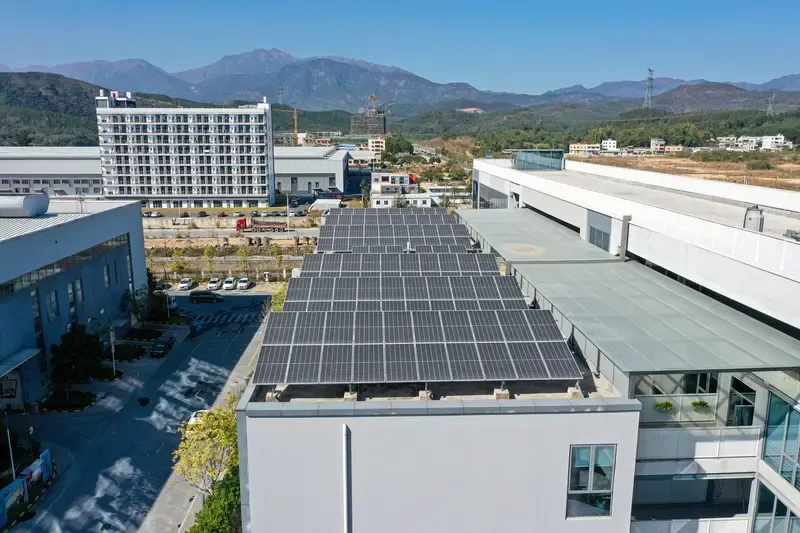
What Can a 4000W Solar Power System Power?
A 4kW solar power system will generate between 12-20 kWh of power per day, depending on the sun’s condition. This will, therefore, be sufficient for powering a home with moderate consumption.
Appliances that a 4000W Solar Power System Can Power:
- Refrigerator
- LED Lighting
- TV
- Laptops
- Washing Machine
- Small Air Conditioner
- Wi-Fi Routers
- Small Home Electronics
Note, however, that running a number of high-power consuming home electronics at the same time will exceed the system’s capacity.
What is the Average Output of a 4000W Solar Power System?
Note that the output of a solar power system varies depending on your location. The above table compares different locations:
| Location Type | Sun Hours/Day | Daily Output (kWh) | Monthly Output (kWh) |
|---|---|---|---|
| Sunny (California) | 5–6 hours | 18–22 kWh | 540–660 kWh |
| Moderate (Florida) | 4–5 hours | 14–18 kWh | 420–540 kWh |
| Cloudy (UK) | 2–3 hours | 8–12 kWh | 240–360 kWh |
From our experience, most people underestimate the power of sunlight. A well-positioned system will, therefore, outperform your expectations.
Key Components of a 4000W Home Solar System
A complete system requires more than just solar panels. Here’s a list of what you would typically need:
1. Solar Panels
10-12 solar panels (assuming 350-450W/piece)
Monocrystalline solar panels recommended for maximum efficiency
2. Inverter
Converts DC to AC
Options: String inverter, Hybrid inverter, Micro inverter
3. Battery Storage (Optional but Recommended)
Energy storage option
Stores surplus energy generated by the solar system
Ensures availability of power at night
4. Mounting and Balance of System
Mounting structures
Includes all other components such as wiring and combiner boxes
Many companies such as High Joule are now focusing on developing integrated solar systems that include both inverter and battery technologies.
Do You Need a Battery for a 4kW Solar System?
Not necessarily. However, in some cases, it does make a significant difference.
Without Battery:
- Lower upfront cost
- Energy supply dependent on the grid at night
- Exporting surplus energy
With Battery:
- Energy supply 24/7
- Backup power in case of outages
- Higher rate of utilization
In practice, it has been seen that the best option is to add a 5-10 kWh battery to the 4kW system.
Real-World Example
Let’s take a look at a real-world example:
Case Study: 3-Person Family in California
| Item | Value |
|---|---|
| System Size | 4kW |
| Battery | 7.5 kWh LiFePO4 |
| Daily Consumption | 16 kWh |
| Solar Production | 19 kWh |
| Grid Dependency | <10% |
| Monthly Savings | $120–$180 |
In this case, the solar panel system meets almost all the family’s energy demand, with minimal grid support.
Cost of a 4000W Solar System
The cost of a solar panel system varies depending on the configuration and location, but let’s assume the cost is as follows:
Estimated cost (USA market):
- Without battery: $6,000 – $10,000
- With battery: $10,000 – $18,000
Factors that influence the cost:
- Efficiency and quality of the solar panel
- Type of inverter (Hybrid inverter is expensive)
- Complexity of installation
- Tax credits offered by the government
Is a 4kW Solar System Right for You?
It is right for you if:
- Your monthly energy consumption is between 400-600 kWh
- Your location has good sunlight
- You wish to save on energy costs without overspending
It may not be right for you if:
- You use a lot of electricity for heating or cooling
- You own high-consumption appliances, e.g., electric cars
- Your energy consumption exceeds 20 kWh per day
Practical Tips Before Installing
Some practical tips to consider before you start with your installation, based on industry expertise, are as follows:
- Optimize panel orientation
Ideally, south-facing panels are most effective. - Avoid shading
Partial shading will have a big impact on output. - Right size your system
Do not size your system to your current needs only. - Scalable solutions
Look for brands like HighJoule that allow easy expansion.
Final Thoughts
A solar panel 4000W system is a good balance between cost-effectiveness and performance. It will not be enough to run a large family home, but for most people, it will provide a reliable source of energy, some savings on their utility bills, and a step up to energy independence.


