How to Build a Shipping Container Office: Step-by-Step Guide

Creating a shipping container office starts with choosing the appropriate container, preparing the container, insulating it, and adding the necessary utilities such as power supply and proper ventilation. Done right, a shipping container office will prove a cost-effective, long-lasting solution that also looks modern.
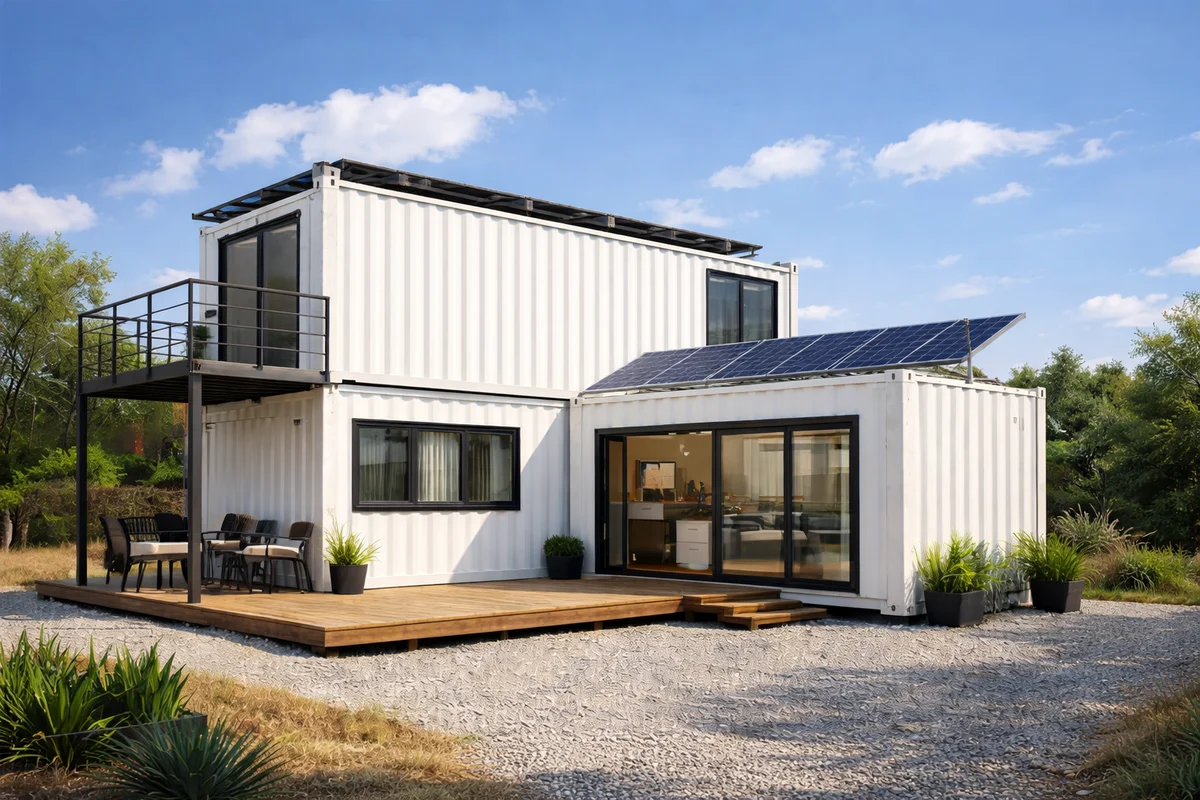
Why Consider a Shipping Container Office?
As already established, there are plenty of reasons why companies choose shipping container offices. To summarize, they offer the same convenience as modular buildings in terms of speed and cost-effectiveness.
Based on my experience of using energy modules and container-based solutions, the most significant benefit of using a shipping container office is scalability. You can start small and then expand as needed without shutting down operations.
Step-by-Step Guide: Building a Shipping Container Office
1. Choose the Right Container
There is no shortage of different container types. In the majority of cases, two types are used:
- 20-feet container: Ideal for single workers
- 40-feet container: For team collaboration
The key characteristics you need to pay attention to:
- Container’s integrity: There should not be any dents or rusted parts
- CSC certification that proves its structural safety
- One-trip containers: Usually in excellent condition
2. Decide on the Design and Layout
Before starting to cut metal, plan everything out. It means taking into consideration the following elements:
- Office layout
- Windows and doors arrangement
- Desk arrangement
- Utility connections
For example, a minimalistic design could involve the following elements:
- Large open workspace
- Smaller area for meetings
- Cabinets and built-in shelves
3. Structural Adjustments
As soon as the design phase is complete, start making adjustments:
- Openings for doors and windows
- Steel frame reinforcement for cuts
- Install partition walls if necessary
Critical note: Opening holes in the metal container compromises its integrity, and reinforcement is essential.
4. Insulation and Climate Regulation
The material used in construction (steel) conducts heat well, meaning that temperatures inside can fluctuate rapidly, so insulation is a must.
Types of insulation include:
- Spray foam (most efficient option)
- Rock wool (fire-resistant, ecological)
- Foam boards (most cost-effective)
Install ventilation and HVAC systems based on the climate conditions. If living in a warm area, insulation will not suffice, and an air conditioning system is required.
5. Wiring, Plumbing, and Internet Connection Setup
To have all the basic amenities in a container office:
- Wiring for lights and outlets
- Cable and internet connection
- Plumbing installation for restrooms and sinks
It is worth mentioning how renewable energy integration can be incorporated at this stage. There are many companies specializing in the field, such as HighJoule. The solar container office will feature:
- Energy independence from the grid
- Decreased power bills
- Reliability during outages
6. Interior Decorating
Interior decorating is the final step in turning your office into a comfortable and cozy environment:
- Wall covering (PVC, plywood, or drywall)
- Flooring (vinyl, laminate, or epoxy)
- Interior ceiling finishing with LED lighting
A good job done during the interior decoration stage will turn any container office into an office environment.
7. Exterior Decoration
However, do not overlook the exterior side of things; for example:
- Apply paint or anti-corrosive coating
- Install canopy or shading structures
- Landscape the container office area
Cost Estimate for 20-Foot Shipping Container Office
This is an approximate estimate for a standard 20-foot shipping container office.
| Component | Estimated Cost (USD) |
|---|---|
| Container purchase | $2,500 – $4,000 |
| Structural modifications | $1,000 – $3,000 |
| Insulation | $1,000 – $2,500 |
| Electrical & lighting | $800 – $2,000 |
| Interior finishing | $1,500 – $3,500 |
| HVAC system | $1,000 – $2,500 |
| Total | $7,800 – $17,500 |
This cost estimate varies based on customization and the geographical location.
Example from the Real World
The example below highlights a logistics company that made use of two 40-foot shipping containers to create a modular office. This was done by stacking the two units and installing stairs outside.
- Floor one: Operations office
- Floor two: Meeting room and management
Challenges to Be Aware Of
Despite all the benefits that come with using container offices, there are some challenges worth watching out for:
- Inadequate insulation causes uncomfortable temperature levels
- Failure to properly seal causes moisture and leakages
- Overloading the structure without reinforcing it can be risky
- Not paying attention to the local building codes might lead to legal problems
From personal experience, failing to install insulation or venting features is the most common mistake made during the process—and it is the hardest one to reverse at a later stage.
Conclusion
Constructing a shipping container office involves more than placing metal containers side by side. Proper planning, engineering, and integration of different systems are crucial to ensuring that the final outcome is both practical and efficient.
If you want to take the next step, the use of solar-powered shipping container offices, such as HighJoule’s container constructions, can make your office self-sufficient.


