How to Buy a Container Home From China

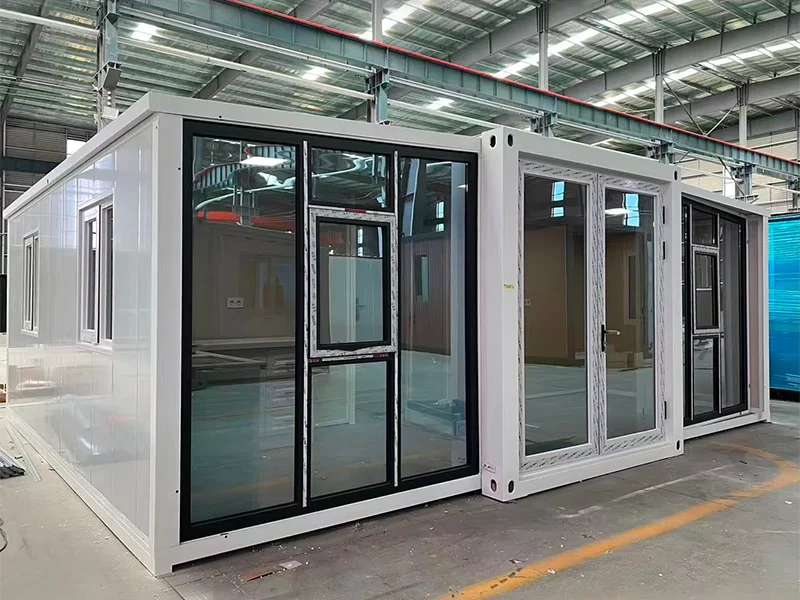
In most cases, purchasing a container house from China will be more economical than sourcing from other countries. This usually includes steps such as selecting the right manufacturer, validating your design plans, checking for certifications, ordering for the units, and shipping internationally. If you buy the houses from a manufacturer, you will make substantial savings of up to 20%–40%.
Container houses have been adopted for various housing purposes, including commercial uses, temporary housing, and permanent residential buildings. With advanced technology, cheaper pricing, and flexible customization, China is emerging as a major supplier of these houses.
Reasons for Buying a Container House from China
Chinese companies manufacture a vast majority of the prefabricated buildings and modular structures manufactured globally. A significant number of Chinese factories have extensive experience exporting container houses to the North American market as well as the European, Australian, African, and Middle Eastern markets.
Some major benefits are:
- Lower manufacturing costs
- Greater production capability
- Customization capabilities
- Faster construction times
- Availability of quality materials
- International shipment experience
For instance, the manufacturing cost of a standard 20-foot container house in China is much lower compared to that bought locally.
Typical Price Comparison
| Container Home Type | China Factory Price | Local Market Price |
|---|---|---|
| 20ft Standard Container Home | $3,000 – $8,000 | $6,000 – $15,000 |
| 40ft Standard Container Home | $6,000 – $15,000 | $12,000 – $25,000 |
| Luxury Modular Container Home | $15,000 – $50,000+ | $30,000 – $80,000+ |
Prices vary depending on customization, materials, and destination country.
Step 1: Define Your Requirements
Prior to reaching out to suppliers, it is important to determine precisely what kind of container home you require.
Points to think about include:
- Is it meant for residential or commercial purposes?
- How many bedrooms are needed?
- Are plumbing and electricity to be installed within the house?
- Which climatic condition will the house be exposed to?
- Do you need any permits to construct the home?
The clearer your requirement is, the better they will quote prices accurately.
Step 2: Selecting a Good Supplier
However, not all suppliers are created equal. One of the most common errors made by customers when choosing a supplier is basing their decision only on price.
A good manufacturer would provide:
- Facilities to inspect the factory
- Product certifications
- Technical engineering assistance
- Previous export experience
- Manufacturing customization abilities
- Warranty information
From my past experiences working on prefabricated houses, one tip I would give is to make sure you talk directly with the factory if at all possible. That way, there is no room for miscommunication and makes sure that technical specifications are followed.
For instance, HighJoule manufactures their products from within their factory based in China, which allows customers to deal directly with their factory without any middle men.
Step 3: Technical Drawings and Specifications
After getting a quotation, ensure that you study all the relevant technical documents carefully.
Consider such issues as:
- Layout of floor plans
- Construction materials
- Insulation specifications for walls
- Roofing details
- Window/door designs
- Wiring systems
- Water plumbing arrangements
Request any 3-D renderings/drawings if available.
A container house may appear attractive from images; however, its specifications will define how well it performs.
Step 4: Check Certifications and Compliance
Each country requires buildings to adhere to certain regulations.
Depending on where you will be building, you may need:
- Certification CE
- Certifications for ISO quality
- Structural Engineering Reports
- Fire safety reports
- Certifications for Electrical Compliance
Check with suppliers if their building materials have complied with the requirements in your country.
Doing this can help you save time and money.
Step 5: Verify Production Schedule
Each production schedule depends on the size and custom nature of the project.
General manufacturing schedule examples include:
- Design verification: 3-7 days
- Manufacturing: 15-45 days
- Quality control: 1-3 days
- Packaging: 3-7 days
Customized manufacturing processes may take longer to complete.
Always verify the schedule in which the order will be delivered.
Step 6: Plan Shipping & Logistics
Logistics form an integral part of importing the containers from China.
You normally have two choices:
Choice 1: Factory Takes Care of Shipping
Several factories can arrange door-to-port or door-to-door deliveries.
Pros include:
- Simple logistics process
- Less documentation
- Good coordination
Choice 2: Freight Forwarder by Yourself
Experienced importers tend to opt for the second choice in order to have better control over logistics charges and importation process.
Important logistics charges would include:
- Ocean transport
- Duties
- Port charges
- Interior transportation
- Insurance
A quote on total shipping costs should be sought before a final decision is made.
Real Case Study: Small Vacation Home Project
A customer in Australia requested a custom-made 40 feet container house that would serve as a vacation rental unit.
Project requirements were as follows:
- 2 bedrooms
- 1 bathroom
- Kitchen space
- Double glazed windows
- Improved insulation
Production in the factory was done within 30 days. Transportation from China and customs clearance took another 4 to 6 weeks.
As compared to a modular house made locally, the buyer managed to save almost 30% on costs while retaining quality at the same level.
Each project is unique, but this case demonstrates the reasons why many customers opt for Chinese factory purchases.
Avoiding Common Errors
If you are buying a modular house from China, some mistakes to avoid include the following:
- Selecting suppliers by only considering prices
- Neglecting to consider insulation requirements
- Not checking certifications
- Underestimating shipping costs
- Not looking at technical drawings carefully
- Missing out on local building codes
A cheaper initial price does not necessarily equate to lesser total costs for your project.
Closing Remarks
When done right, purchasing a container home from China could be very economical. This is achieved through cooperation with a knowledgeable manufacturer, evaluation of specifications, compliance with necessary regulations, and logistical planning.
For those desiring to purchase customized prefabricated container homes, cooperation with the factory from where you will obtain the houses like HighJoule can make things much easier. Factory-based cooperation has proven to be beneficial for people looking for prefabricated container homes in terms of quality and cost.


