How Much Is a Container Home?

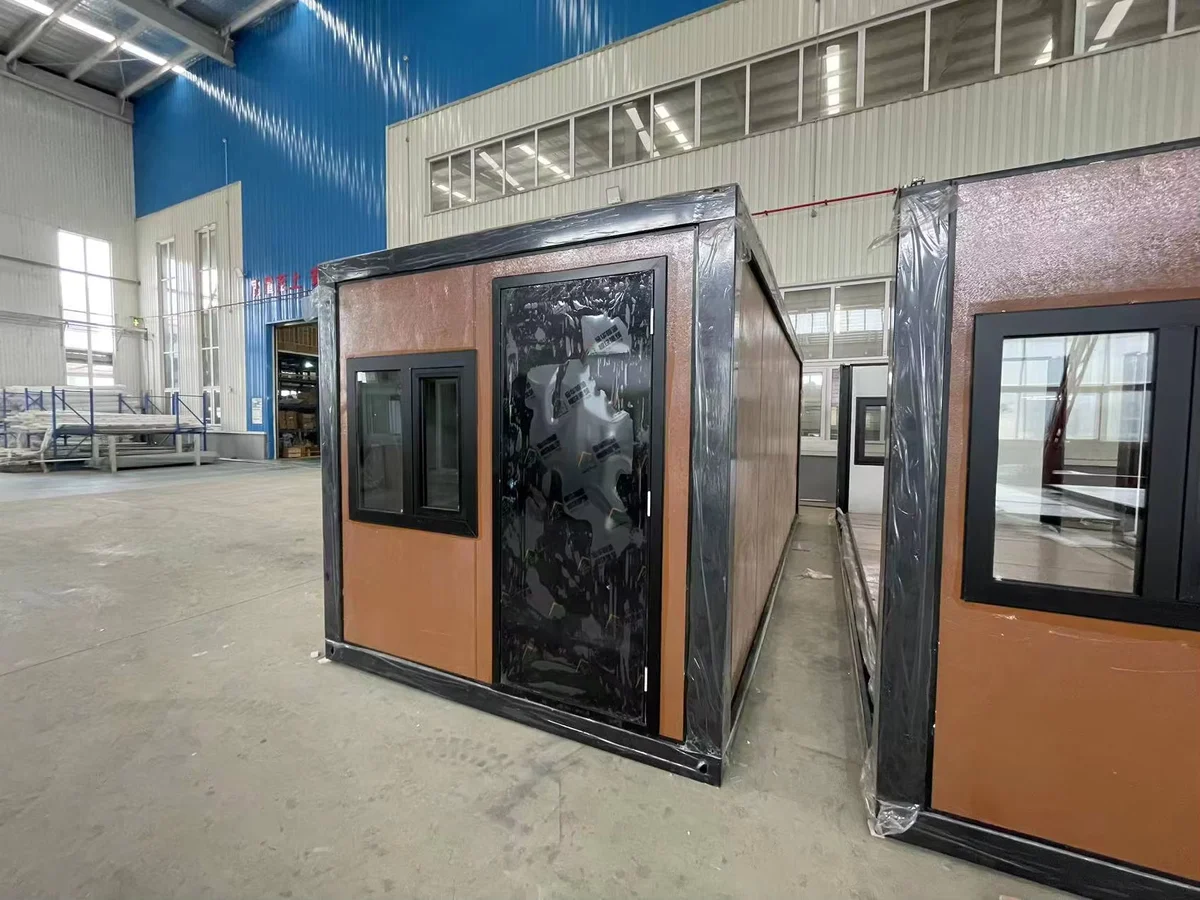
The price of a container home ranges between $10,000 and over $250,000, based on factors such as size, design, location, and personalization. While an off-grid container cabin may be cheaper than buying a brand-new car, a high-end container home with multiple containers and luxurious interior designs will cost as much as a conventional home.
For most buyers in 2026, the average price ranges look like this:
| Type of Container Home | Average Cost |
|---|---|
| Basic single-container home | $10,000–$40,000 |
| Prefabricated container home | $30,000–$80,000 |
| Mid-size family container house | $80,000–$150,000 |
| Luxury custom container home | $150,000–$250,000+ |
Thankfully, prefab container homes have significantly reduced in price compared to their past prices. Companies such as HighJoule have introduced modular container housing options that cut down labor expenses, speed up the building process, and make installations easy.
Factors Determining Container Home Costs
Not all container homes have the same cost. Two homes constructed from the exact same shipping containers may turn out to be very differently priced.
The following are some of the most important aspects affecting prices.
1. The Size and Number of Containers
There are two sizes of shipping containers:
- 20-foot container
- 40-foot container
The optimal number of 20-foot containers for:
- Micro-houses
- Office sheds
- Security units
- Short-term accommodations
On the other hand, a typical family dwelling will involve:
- 2 to 6 containers
- Multi-story design
- Extended spaces
Clearly, the larger the number of containers, the higher the material and transportation costs.
2. Used and New Shipping Containers
This aspect confuses most first-time customers.
While an old container may be cheaper by just several thousand dollars, repairs for rust, damage, or general wear and tear might add to renovation costs. In contrast, new “one-trip” shipping containers might cost more initially but help save on construction expenses.
For this reason, most prefabricated builders choose new containers because they are:
- Better quality
- Easier to insulate
- More waterproof
- Cleaner on the inside after renovation
3. The Interior Design
Interior finishing will definitely increase your budget.
A basic container house with bare essentials such as floors and basic lighting is cheap enough. However, luxury options will make your renovation project much more expensive:
- Gourmet kitchen
- Smart home solutions
- Window panes
- Photovoltaic systems
- Underfloor heating system
- Expensive bathrooms
Interior finishing can take up half of the entire project budget.
Land Preparation & Foundation Costs
Often, people tend to overlook land preparation due to their concentration only on the structure.
You will require:
- Land leveling
- Concrete foundation
- Utility hookup
- Drainage setup
- Building permit
All costs mentioned above are variable and differ from one place to another. Generally, rural locations are less costly than urban locations.
For example:
| Additional Expense | Typical Cost |
|---|---|
| Foundation work | $3,000–$20,000 |
| Utility connections | $2,000–$15,000 |
| Transportation and crane | $1,500–$10,000 |
| Permits and inspections | $500–$5,000 |
One thing I’ve noticed in modular housing projects is that transportation is often underestimated. A low-cost container home can suddenly become expensive if the site is difficult to access.
Is It Really Cheaper To Build Container House Than A Traditional House?
In most cases, yes – especially when talking about prefabricated ones.
Traditional building construction includes:
- More time
- Additional labor costs
- Waste of more materials
- Impact of bad weather conditions
The use of containers makes many things easier because many parts will already be constructed in factories.
A prefabricated house from containers could literally be assembled in several days instead of months, saving costs related to labor and minimizing risks.
But remember that container houses are not always cheap. Poor insulation, too much customization, or complex structural adjustments could easily increase the cost.
The most successful buyers pay attention to:
- Effective layouts
- Prefabricated containers
- Consistent sizes
- Simple finishing options
A Realistic Example Budget
Here’s a simplified example for a modern two-bedroom prefab container home.
| Item | Estimated Cost |
|---|---|
| Two 40ft containers | $12,000 |
| Structural modifications | $15,000 |
| Insulation and walls | $10,000 |
| Plumbing and electrical | $12,000 |
| Kitchen and bathroom | $18,000 |
| Doors and windows | $8,000 |
| Transportation and installation | $10,000 |
| Foundation | $7,000 |
| Total | Around $92,000 |
Compared with conventional housing in many regions, that price is still relatively competitive.
The Reasons Why Prefabricated Container Houses Are Gaining Popularity
The market for modular houses has grown substantially within the last several years due to high prices for labor and lack of housing.
Prefabricated containers are becoming more common because they provide:
- Faster erection time
- Low labor demands
- Flexible design
- Easy relocation
- Material saving
HighJoule produces cheap modular houses in their containers which provide an optimal combination of affordability and practicality. Modern container houses can be hardly distinguished from regular houses.
There are some innovations such as:
- Integration with solar panels
- Modular houses made up of foldable elements
- Energy self-sufficient systems
- Hotel-like interiors
It is quite a contrast to traditional views of steel boxes.
Is a Container Home Worth the Investment?
Yes, for many consumers.
A container home is suitable when the buyer needs:
- Quick construction
- Cheaper initial construction
- Modular construction
- Villa for holidays
- Construction for remote areas
- Alternative sustainable constructions
However, planning and careful preparation play a pivotal role in the process. Selecting reliable prefab providers, comprehending the regulations of the area and budgeting are much more important than just purchasing the cheapest containers on the market.
Indeed, the most successful container homes are rarely the most economical ones.


