Are Container Homes Energy Efficient?

Yes, container homes can be highly energy efficient. When designed correctly—with effective insulation, proper ventilation, and optional renewable energy features like solar panels—they often use less energy than traditional homes. However, their efficiency depends greatly on factors such as the quality of insulation, the local climate, window placement, and the types of building systems installed.
In recent years, container housing has attracted interest not only because it is quick to build and relatively affordable but also because it promotes sustainable living. To understand why, it’s important to consider how these homes are built and how energy flows within them.
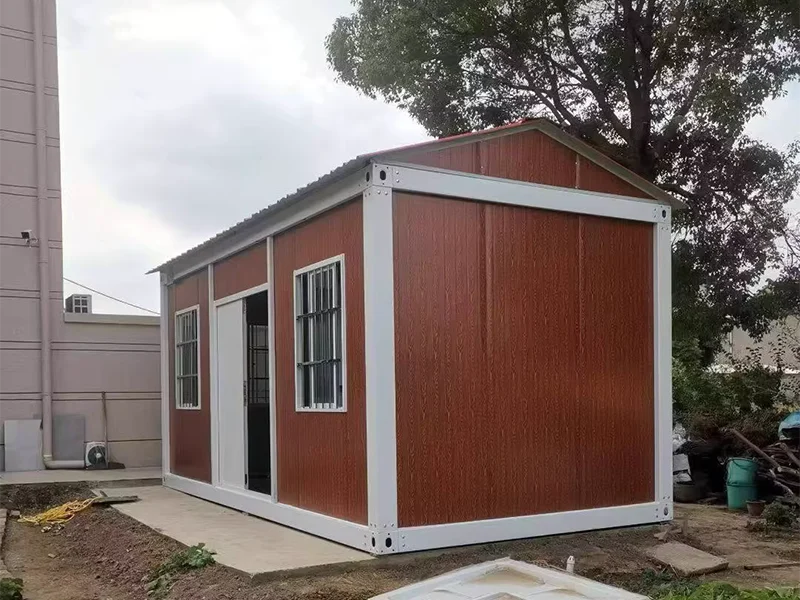
Reasons Container Homes Can Be Energy Efficient
Shipping containers are made from steel, which is strong and durable but also highly conductive. By itself, a steel box would be very inefficient in terms of energy. The energy efficiency comes from the modifications made during construction.
Several design approaches help container homes perform well in energy use:
1. High-Quality Insulation
Insulation is the most crucial element for energy efficiency in container homes. Without it, steel walls quickly transfer heat.
Common insulation types include:
- Spray foam insulation, which provides both insulation and air sealing
- Rigid foam panels, which are lightweight and easy to install
- Mineral wool insulation, which is fire-resistant and offers soundproofing
For instance, closed-cell spray foam can achieve R-values between R-6 and R-7 per inch, greatly reducing heat transfer.
Proper insulation helps keep indoor temperatures stable, lowering the need for heating and cooling.
2. Smaller Living Areas
Container homes are generally smaller than conventional houses, with a typical shipping container offering about 320 square feet of space.
A smaller size naturally results in:
- Lower heating and cooling requirements
- Reduced lighting needs
- Overall decreased energy consumption
Many people find that living in a smaller space enhances both energy efficiency and everyday comfort.
3. Airtight Building Envelope
Container homes can be built with very tight seals. When steel walls are properly sealed, they reduce air leaks more effectively than traditional wood-frame homes.
Airtight construction helps to:
- Prevent heat loss during winter
- Stop cool air from escaping in summer
- Eliminate unwanted drafts
This means heating and cooling systems run less often, which reduces energy use.
The Importance of Solar Energy in Container Homes
Many container homes incorporate renewable energy solutions, with solar power being one of the most practical choices due to the flat roofs of containers, which are ideal for installing photovoltaic panels.
Companies like HighJoule, which produce prefabricated container homes, often provide optional solar energy packages. These systems can supply electricity for lighting, appliances, and even air conditioning in locations without grid access.
Common solar setups include:
- Solar panels mounted on the roof
- Lithium battery storage
- Hybrid inverters
- Energy monitoring systems
This setup enables container homes to function partially or fully off the grid.
Energy Use Comparison
The table below shows estimated yearly energy consumption for various housing types:
| Housing Type | Average Size | Annual Energy Use (kWh) |
|---|---|---|
| Traditional US Home | 2,300 sq ft | 10,600 kWh |
| Small Energy-Efficient Home | 1,000 sq ft | 6,000 kWh |
| Container Home | 320–640 sq ft | 2,000–4,000 kWh |
(Source: U.S. Energy Information Administration estimates and studies on small homes.)
Because container homes are smaller and often built with modern materials, their overall energy needs tend to be much lower.
Design Elements That Enhance Efficiency
In addition to insulation and solar panels, several architectural features can further improve the energy efficiency of container homes.
Smart Window Placement
Windows affect both natural light and heat transfer.
Effective designs typically include:
- South-facing windows to capture passive solar heat
- Double or triple-pane glazing
- Low-emissivity (Low-E) glass coatings
These features help minimize heat loss while maximizing daylight inside the home.
Passive Ventilation
Good airflow helps keep indoor temperatures comfortable without heavy use of air conditioning.
Design techniques include:
- Cross ventilation through windows positioned opposite each other
- Roof vents or skylights
- Shaded outdoor areas
These strategies can significantly reduce energy consumption, especially in warmer climates.
Reflective or Green Roofs
Since container roofs are exposed to direct sunlight, how their surfaces are treated is important.
Options include:
- Reflective coatings that lower heat absorption
- Rooftop gardens that provide insulation and cooling
- Solar panels that both generate electricity and offer shade
Each of these approaches helps control heat gain during hot weather.
Real-Life Example: Off-Grid Living in Shipping Container
An eco-friendly resort in Arizona constructed several cabins using 40-foot shipping containers.
Each cabin was equipped with:
- Spray foam insulation
- 3 kW solar panels on the roof
- Lithium battery storage
- Energy-efficient mini-split HVAC systems
The outcomes were notable:
| System | Value |
|---|---|
| Solar generation | ~4,500 kWh per year |
| Average annual consumption | ~3,200 kWh |
| Grid electricity usage | Near zero |
For many months, the cabins produced more energy than they used. This kind of setup is becoming more popular in remote tourism, construction camps, and emergency housing.
Possible Energy Issues
While container homes can be energy efficient if designed properly, some challenges exist:
Thermal Bridging:
Steel transfers heat quickly, so if insulation isn’t continuous, heat can pass through structural parts, lowering efficiency.
Condensation:
Metal walls may cause moisture buildup in humid areas if vapor barriers aren’t correctly installed.
Climate Factors:
In very cold climates, container homes need thicker insulation and advanced HVAC systems.
These challenges can be addressed with careful planning and design.
Helpful Tips for Energy-Efficient Container Homes
If you’re planning to build or buy a container home, consider these strategies to boost energy performance:
- Use high-quality insulation like closed-cell spray foam
- Install energy-efficient windows and doors
- Utilize LED lighting and efficient appliances
- Incorporate solar panels and battery storage
- Design for natural ventilation
Many prefab container home manufacturers, such as HighJoule, already include these features, making it easier for buyers.
Container homes aren’t inherently energy efficient, but with modern building methods, they can surpass many traditional homes in energy performance. With proper insulation, smart design, and renewable energy integration, these compact homes offer a highly sustainable lifestyle.


