40ft Expandable Container House USA

As the demand for flexible and affordable housing increases, the 40-foot expandable container house in the USA has become a practical option for homeowners, developers, and project managers. At HighJoule, we design and produce expandable container homes that are intended for real-world use, not just as conceptual models.
In this article, we address the most frequently asked questions from U.S. buyers, explain how expandable container houses function, and share insights based on our direct experience delivering these units to various markets.
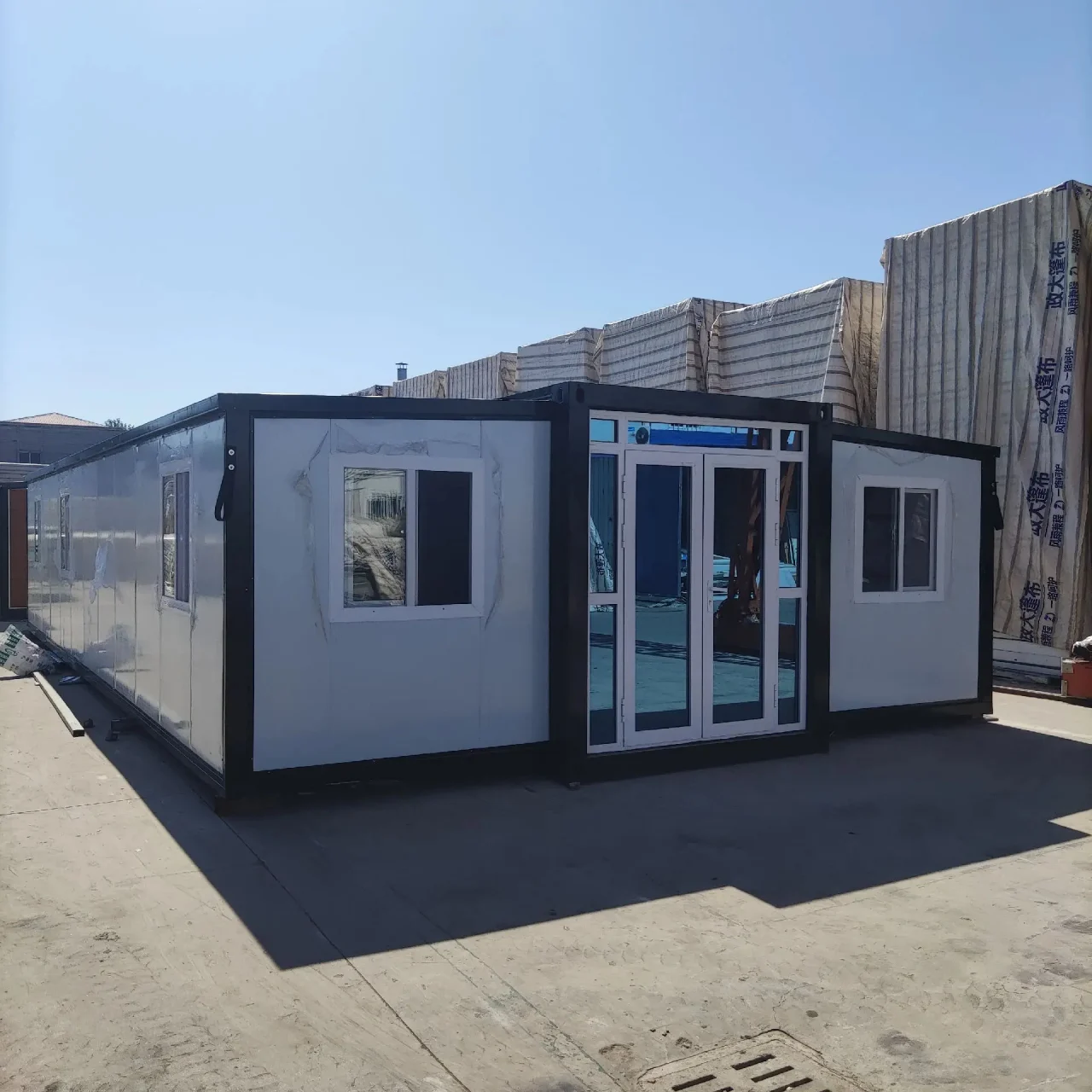
What is a 40-foot expandable container house?
A 40-foot expandable container house is a prefabricated modular home designed to fit within the dimensions of a shipping container during transport. Once on site, the structure expands sideways to provide a larger and more comfortable living area.
Compared to fixed container homes, expandable models offer:
- Increased usable interior space
- Quicker on-site installation
- Improved residential layout options
Our HighJoule Dual-Wing Expandable Module (Model: HJ-IMHDS-001) is specifically designed for compact living needs such as temporary housing, accessory dwelling units (ADUs), workforce accommodations, and remote-site residences.
Common questions from buyers in the USA
Is a 40-foot expandable container house legal in the USA?
There is no single nationwide regulation. In the U.S., expandable container houses are generally classified as:
- Modular buildings
- Temporary housing units
- Accessory dwelling units (ADUs)
Approval depends on local zoning laws, land use regulations, and building codes. Based on our experience, these units are most easily approved when used as:
- Temporary or semi-permanent housing
- On private land in rural or suburban locations
- Project-based accommodations (such as construction, energy, or infrastructure sites)
We always advise confirming local requirements with authorities before installation.
How quickly can it be installed?
Speed is one of the key benefits. A typical installation involves:
- Preparing a basic foundation or leveling the ground
- Delivery in container form
- Hydraulic expansion of the side modules
- Connecting to water and electricity
In many cases, the structural expansion can be completed within hours rather than weeks.
Technical Overview of HighJoule Dual-Wing Expandable Module
The following specifications are based on our standard production model:
| Item | Specification |
|---|---|
| Product Model | HJ-IMHDS-001 |
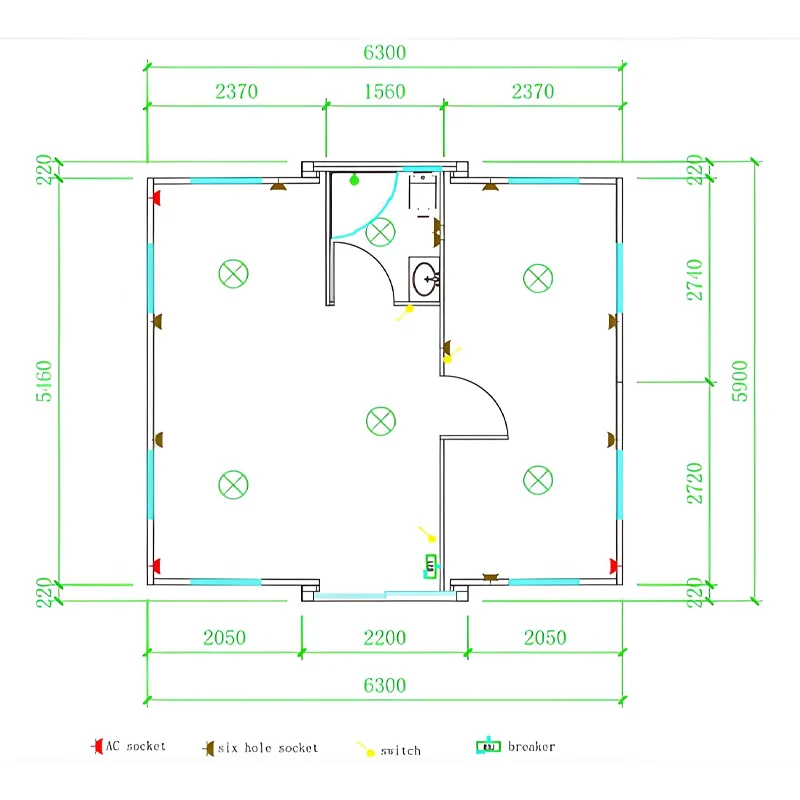
| Transport Dimensions | 5900 × 2200 × 2480 mm |
| Expanded Dimensions | 5900 × 6300 × 2480 mm |
| Footprint Area | 21.26㎡ |
| Interior Layout | One bedroom + living room |
| Power Consumption | Approx. 12 kW (depending on configuration) |
| Net Weight | Verified by weighing scale |
This configuration provides a balanced layout that supports everyday living without unnecessary complexity.
Interior Design and Comfort Features
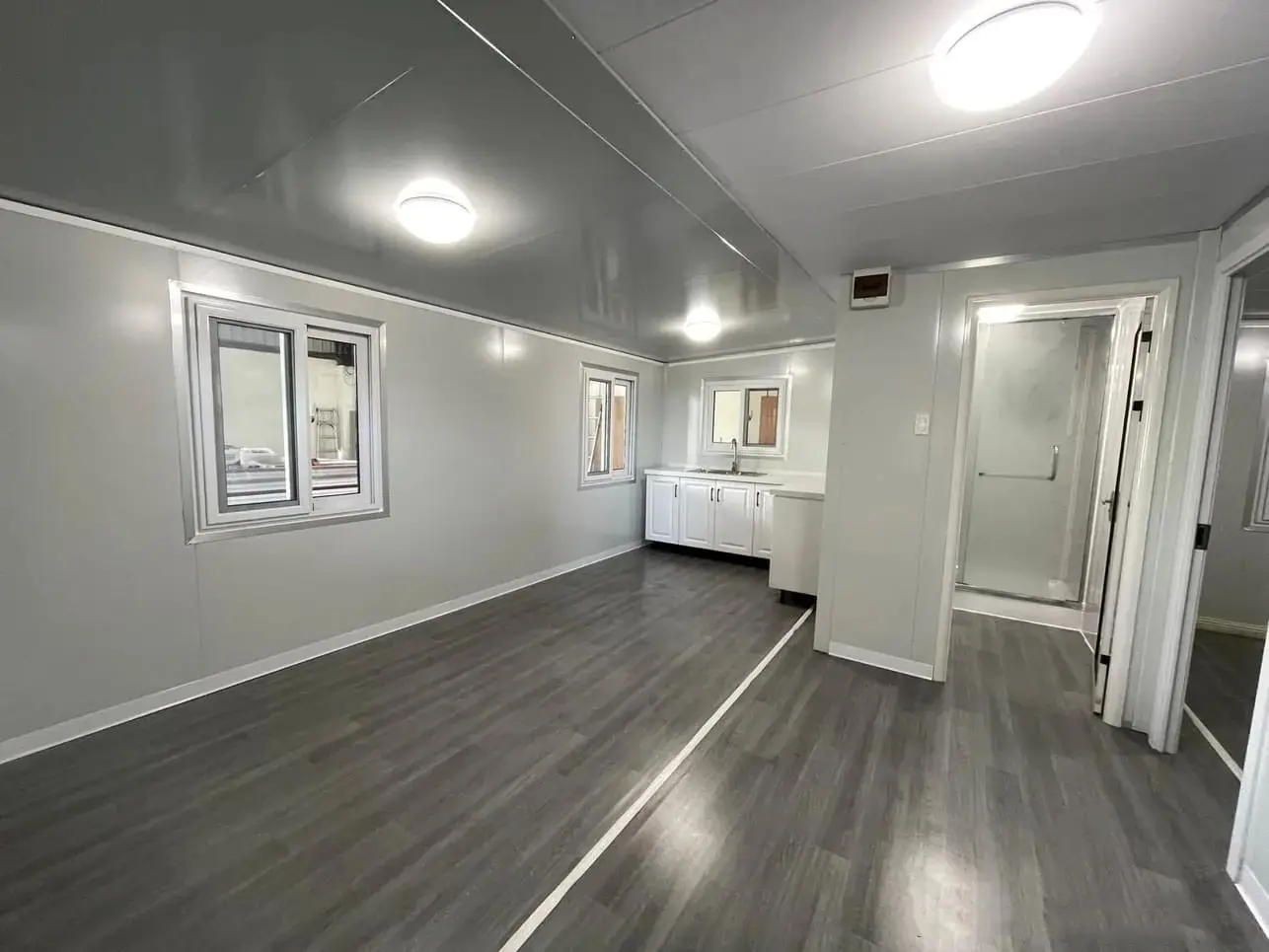
Our expandable container homes come fully equipped with interior systems rather than just empty shells. Available standard and optional features include:
Kitchen and Storage
- Wall and base cabinets
- Countertops with sink and faucet
- Overhead storage cabinets
Doors and Windows
- Thermal-break aluminum doors and windows
- Aluminum glass doors
- Options for insect screens and stainless steel mesh
Bathroom Facilities
- Complete bathroom with partitions
- Toilet, sink, mirror, and shower enclosure
- Hidden water supply and drainage piping
Electrical and Plumbing
- LED lighting throughout the house
- Wiring system meeting national standards
- Customizable electrical outlets
- Concealed plumbing for a clean interior look
From our experience, buyers in the USA often focus on insulation quality, window efficiency, and electrical layout, especially for long-term use.
Reasons Why Expandable Container Homes Are Becoming Popular in the USA
Several market trends are encouraging their adoption:
- Increasing costs of housing and labor accommodations
- Faster construction times compared to traditional building methods
- Growing acceptance of modular housing solutions
- Rising demand for portable and reusable structures
Expandable container homes provide predictability since costs, layouts, and delivery schedules are mostly fixed before production starts, helping buyers avoid typical construction delays and budget overruns.
Practical Use Cases
Based on customer feedback and completed projects, common applications include:
- Temporary housing for construction and energy sector projects
- Guest houses or backyard accessory dwelling units (ADUs)
- Accommodation at remote sites
- Short-term rental properties
For example, in one project, multiple units were used to house on-site staff. The ability to transport, expand, and relocate these units helped reduce project risks and long-term expenses.
Future Trends for 40ft Expandable Container Homes
Looking forward, we anticipate:
- Increased demand for expandable ADUs in residential areas
- Integration with solar energy and storage systems
- More customization options for interior layouts
- Enhanced focus on thermal efficiency and climate adaptability
We believe expandable container homes will continue to complement traditional housing, especially where speed, flexibility, and cost control are essential.
Is a 40ft Expandable Container Home Right for You?
A 40ft expandable container home in the USA is ideal if you:
- Require quick setup
- Prefer a pre-engineered, factory-built structure
- Plan to build on private or lightly regulated land
- Value flexibility and the option to relocate in the future
At HighJoule, we design expandable container homes to be practical, durable, and ready for real-world use—not just for show.


