Finished Portable Cabins for Sale in Oklahoma

Oklahoma’s housing market is increasingly adopting small, prefabricated homes. Portable cabins for sale in Oklahoma are pre-constructed units delivered ready for immediate use, providing a fast and cost-effective way to add living or workspace. These cabins are usually made from wood or metal panels and include features like porches, windows, and insulation. They can be used as guest cottages, hunting cabins, backyard offices, studios, or even off-grid residences.
Key Features and Construction
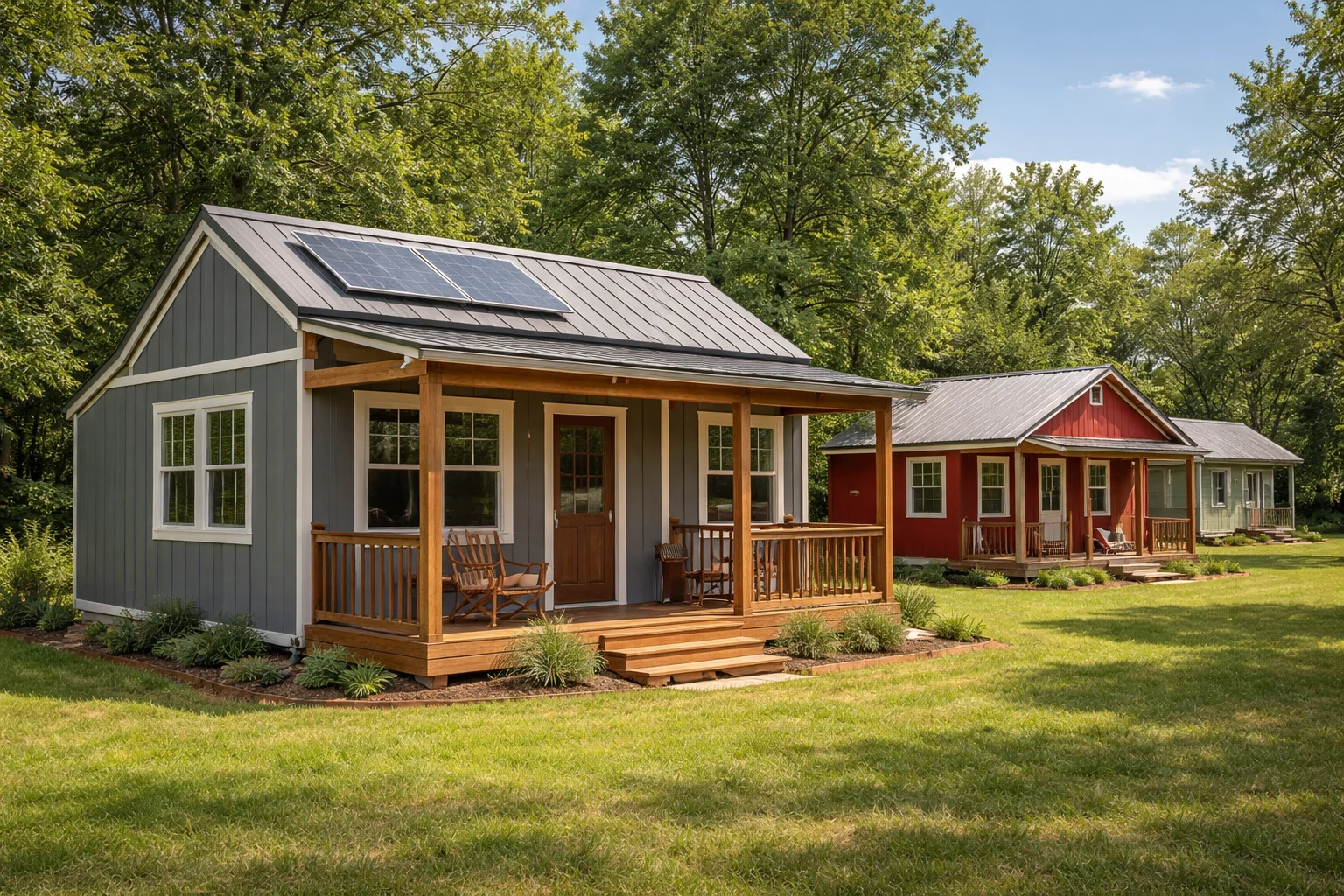
Modern portable cabins offer many of the comforts found in traditional homes. Typical features include a framed floor (often using treated lumber), insulated exteriors, a sturdy front door, and multiple windows for natural light. One Oklahoma builder mentions their cabins come standard with a 4-foot porch, three vinyl windows, a 36-inch steel door, and vapor-barrier insulation. Many manufacturers provide customization options such as electrical wiring, plumbing connections, lofts, or upgraded siding and roofing. Durability is a priority, with treated wood floors and joists, 2×6 wall framing, and weather-resistant siding commonly used.
Customers can order portable cabins either finished or unfinished. Finished cabins include completed interior walls, flooring, paint, and sometimes pre-installed wiring or HVAC systems. Unfinished shells are basic structures that allow buyers to complete the interior themselves to reduce costs. HighJoule clearly states that their cabins “can be ordered finished or unfinished, depending on your preferences.” Regarding delivery and installation, most cabins are transported on flatbed trailers and require only level ground or piers for placement.
Common Applications of Portable Cabins
Portable cabins are highly adaptable and are used by buyers in Oklahoma for various purposes, including:
- Home Offices or Studios: Providing a quiet workspace separate from the main residence.
- Guest or Granny Cottages: Offering additional sleeping space for family members or visitors.
- Vacation Homes & Hunting Camps: Serving as small getaways on rural properties or ranches.
- Rental or Airbnb Units: Acting as income-generating tiny rentals, benefiting from the popularity of short-term rentals.
- Work Sites and Commercial Uses: Functioning as on-site offices, ticket booths, or storage facilities at farms, schools, or construction locations.
- Hobby Areas: Used as art studios, workshops, or personal retreats like man-caves.
- Off-Grid Cabins: When combined with solar or wind power, these cabins become self-sufficient homes independent of the grid.
Designers highlight that cabins are especially favored by hunters and farmers because they provide shelter and space on a property, withstand severe weather conditions, and can be relocated as needed. Many customers position cabins near hunting blinds, in fields, or at the end of driveways. For example, a 16-foot cabin can offer ample storage or a complete work and living area, whether placed in a backyard or on a remote ranch. In urban settings, small cabins can function as accessory dwelling units (ADUs) for family members or tenants.
Off-Grid and Sustainable Living
Oklahoma’s climate is conducive to renewable energy, making portable cabins ideal for off-grid lifestyles. With plentiful sunshine, rooftop solar panels can reliably power these cabins. Experts note that solar energy is among the most popular off-grid electricity options in Oklahoma, thanks to the abundant sunlight. Wind energy is also feasible, as the flat western plains provide excellent conditions for small wind turbines. Many cabins can be equipped with off-grid kits that include solar panels, batteries, and backup generators if necessary. For instance, companies like HighJoule offer container-home cabins that come pre-installed with solar power and insulation, making them ready-to-use off-grid homes. These “Solar Container Houses” combine the durability of shipping containers with integrated solar systems and high insulation.
Additionally, features such as composting toilets, rainwater harvesting, and energy-efficient designs can transform a cabin into an environmentally friendly, self-sustaining retreat.
Several current trends are increasing interest in sustainable cabins. Rising energy prices and growing environmental awareness encourage buyers to choose energy-efficient units. The popularity of tiny houses and modular homes leads more people to downsize or add a small house on their property. With the rise of remote work, a backyard cabin office powered by solar energy offers an attractive way to cut down on commuting and reduce energy consumption. Overall, the combination of portable cabins and renewable energy meets the increasing demand for eco-friendly, off-grid living options.
Permits, Regulations, and Size Requirements
Before purchasing, be sure to review local regulations. In Oklahoma, small standalone buildings often do not have to comply with full building codes. For instance, most areas do not require a permit for one-story sheds or cabins that are under 200 square feet. If your shed is one story and under 200 square feet, no permit is necessary, and this exemption usually applies to cabins as well. (A 10 by 20-foot cabin equals 200 square feet; anything larger may require a permit.) If your cabin is bigger than that, you will probably need a standard building permit and possibly a foundation or tie-downs. Homeowners associations and counties may have their own specific rules, so always check with local zoning or code officials. Some suburban lots only allow one detached structure, while rural areas tend to have more relaxed regulations.
Installation is generally quick: many cabins come pre-wired for electricity and only need a meter connection. Plumbing, if included, typically requires a septic system or well. Some owners secure the cabin on concrete piers or a simple slab, while others place it on skids. In summary, finished portable cabins let you skip the lengthy construction process on site, but they still must comply with any applicable local rules before being used as living spaces.
Costs and Affordability
One major advantage of portable cabins is their affordability. Prices vary greatly depending on size, materials, and level of finish. As a general guideline, finished cabins often cost tens of thousands of dollars, which is much less than the average home price in Oklahoma. (For comparison, the median price for a site-built house in Oklahoma is over $200,000, while a prefab home might cost around $120,000.) Many tiny cabins are priced between $20,000 and $60,000.
In reality, a basic 10×20 shell might cost well under $20,000, while a larger 14×40 fully finished cabin with numerous upgrades could reach $60,000 or more. Financing options and payment plans are available; one builder even offers rent-to-own cabins without requiring a credit check. Compared to traditional construction, portable cabins reduce labor and time expenses. This is largely due to economies of scale and factory production: manufactured and modular homes often cost about half as much per square foot as homes built on-site. Additionally, since most cabins come insulated and finished, buyers save money by avoiding separate contracting work.
The affordable price point makes cabins an appealing option amid concerns about housing costs. In fact, 73% of Americans say they would consider living in a tiny house, with many attracted by lower mortgage or rent payments. Market data shows that tiny and modular homes are expanding industries worldwide, with the global tiny home market valued at $5.95 billion in 2024 and growing. Specifically in Oklahoma, relatively inexpensive land and strong demand for alternative housing have made it a popular area for small homes. Many buyers pay between $30,000 and $60,000 for a move-in-ready cabin instead of over $200,000 for a starter home, making the affordability case compelling.
Where to Purchase in Oklahoma
Several suppliers cater to customers in Oklahoma. Local and regional providers include:
- OK Structures (Perkins, OK): Offers portable cabins made of metal and wood, with financing options and delivery services (often free within 50 miles).
- Ozark Premier Buildings (serving AR, KS, OK, MO): Sells “Sweet Escape” cabin sheds featuring lofts; they offer various models ranging from 12 to 16 feet online.
- Deer Creek Structures (based in TX, ships to OK): Delivers wooden cabins throughout Oklahoma cities such as Oklahoma City, Tulsa, and Norman, with options like cypress siding and insulated metal roofs. Their cabins start at prices in the low $20,000s (base price).
- Bison Built (Oklahoma): A local supplier of portable cabins and garages (not specifically cited here but recognized in the state).
- Burnett Affordable (serving OK, TX, AR): Builds prefab cabins made to order.
Additionally, manufacturers outside Oklahoma can ship to the state. For instance, HighJoule provides container-style prefab homes equipped with solar panels. Although more specialized, their “Solar Container Houses” represent an advanced type of portable cabin—shipping container modules with built-in insulation and renewable energy systems.
When selecting a seller, consider factors such as proximity (to reduce delivery costs), warranty coverage, and customization possibilities. Some companies even offer online 3D design tools to visualize your cabin before purchasing.
Author’s Experience
I have personally seen these cabins on farms and in backyards. I remember visiting a friend’s ranch where they had installed a 12×24 finished cabin for guests; it was cozy, fully furnished, and surprisingly quick to set up. It met their lodging needs without requiring a full-sized house. In my own neighborhood, I noticed a spare cabin used as a home office, complete with a porch and solar panels. The owner told me they financed it through a rent-to-own program. These real-life examples demonstrate how practical portable cabins are for everyday people in Oklahoma.
Current Trends and Future Prospects
The demand for portable prefab housing is growing steadily. Key factors driving this trend include:
- Housing Shortage: Rising home prices and rents increase the need for affordable cabin homes.
- Remote Work: Many people require a home office or extra space, making backyard cabins attractive.
- Sustainability: Eco-friendly building methods and off-grid capabilities (solar power, efficient designs) align with environmental concerns.
- Flexibility: The option to relocate a cabin or add one without permanent construction appeals to many property owners.
- Retirement and Downsizing: Baby boomers and retirees often look for smaller, low-maintenance homes.
In Oklahoma, these factors are amplified by the availability of large rural properties and relaxed zoning regulations for tiny homes in some areas. As prefab building technology advances, we expect to see more well-equipped, larger cabins (including multi-room designs) becoming available. Meanwhile, trends such as affluent buyers adding luxury tiny guesthouses and tech-savvy installers will continue. Overall, finished portable cabins represent a rapidly growing housing segment that combines cost-effectiveness with modern comfort and is likely to expand within Oklahoma’s real estate market.


