Hurricane Proof Container Homes: What You Need to Know

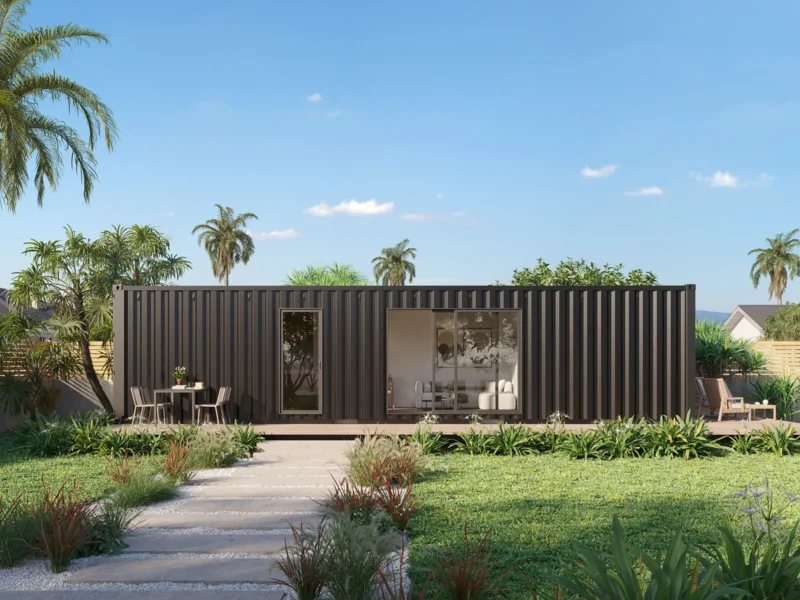
When people look for alternative housing in coastal or storm-prone regions, hurricane-proof container homes often appear as a practical and surprisingly durable option. But how safe are they during extreme weather? And what construction features actually make a container home hurricane-resistant rather than just “strong”? This article breaks down the engineering behind these homes, explains the safety requirements, and offers insights based on industry practice and user experiences.
Why Shipping Containers Provide a Strong Starting Point
Standard shipping containers already have a reputation for toughness. Built with thick, corrugated steel panels and reinforced corner posts, they are designed to survive rough sea conditions. In a residential setting, this naturally helps resist strong winds and flying debris.
Being hurricane proof, however, is more than just having a steel shell. A container home will only become hurricane resistant when its anchoring, openings, reinforcements, and roofing are upgraded to meet the storm standards.
Structural and Anchoring Requirements
1. Anchoring Is the Most Important Step
A container can handle wind pressure but only if securely anchored. Proper anchoring of the container homes can even withstand wind speeds of up to 175 mph, covering most Category 4 hurricanes.
Anchoring solutions commonly used include:
- Reinforced concrete piers
- A full concrete slab with embedded steel anchors
- Heavy-duty hurricane straps welded to the frame
In my experience working with modular home designers, poor anchoring is the most common failure point—not the steel structure itself. When anchoring is done right, the entire building behaves like a single, locked-down unit.
2. Choosing the Right Foundation
A reinforced concrete foundation shall be used.
But in hurricane zones, elevation becomes just as important.
Most coastal regulations now require that homes be elevated above flood levels using:
- concrete piers
- Steel stilts
- Raised platforms
Elevating the home helps avoid storm surge damage that tends to destroy more buildings than wind alone.
Reinforcement of Openings and Structure
Making large openings for windows or sliding doors will weaken a container. That is why hurricane-proof models minimize openings while strengthening them through structural framing.
Suggested Reinforcements
- Impact-resistant windows Miami-Dade–approved is best
- Steel hurricane shutters that can be closed in minutes
- Additional steel bracing against walls and corners
- Roof reinforcement to prevent uplift
Other manufacturers go further by adding concrete insulation, steel rebars, or composite wall panels to improve rigidity and thermal performance.
Reinforced vs. Standard Container Home
Below is a simplified comparison showing how upgrades improve storm resistance.
| Feature | Standard Container | Hurricane-Proof Container |
|---|---|---|
| Foundation | Basic slab | Elevated, reinforced concrete |
| Anchoring | Standard bolts | Heavy-duty anchors rated for 175 mph winds |
| Windows | Standard glass | Impact-resistant + shutters |
| Structural Support | Original steel walls | Additional bracing + reinforced roof |
| Flood Protection | Low | Raised structure + drainage system |
This suggests that completing a standard container into a hurricane-resistant house requires additional structural improvements, rather than merely converting the steel box.
Other Important Considerations
1. Observe all local building codes
Zoning and hurricane-zone building codes vary widely. Some regions require:
- Wind-load certifications
- Impact-rated materials
- Minimum home elevation
- Engineering reports
Before construction starts, local requirements should be addressed to avoid costly redesigns.
2. Choose the Perfect Location
Even the best container home cannot make up for poorly chosen building site. Choose a site that:
- Is outside high-risk flood zones
- Has natural wind barriers of trees or hills
- Provides stable soil for a reinforced foundation
3. Engage in Specialized Builders
Companies such as Lumara, Mobile One Containers, and manufacturers of hurricane-proof expandable container homes use tested engineering methods, which include the design of containers with reinforced frames, strong roof systems, and reliable anchoring.
Do-it-yourself container construction is possible, but hurricane-resistant housing requires engineering expertise. The professionals ensure compliance with safety codes, and many offer wind-load certifications.
Are hurricane-proof container homes the future?
Container homes are increasingly becoming popular, not simply because they are affordable, but also because they fit the growing need for resilient, modular, and rapidly deployable housing.
Here are a few trends pointing to broader adoption:
- More states are revising building codes to include modular and steel-frame houses.
- Expandable container homes are becoming mainstream, with manufacturers incorporating stronger hinges, reinforced flooring, and better insulation.
- Off-grid living is on the rise, and container homes complement solar panel power and inbuilt battery systems nicely.
- Some insurance companies are beginning to recognize hurricane-rated container homes, which may mean reduced premiums.
From a practical standpoint, container homes offer great preparedness against disasters without sacrificing livability. But they have to be engineered right, not just cosmetically converted.


