How to Insulate a Shipping Container House

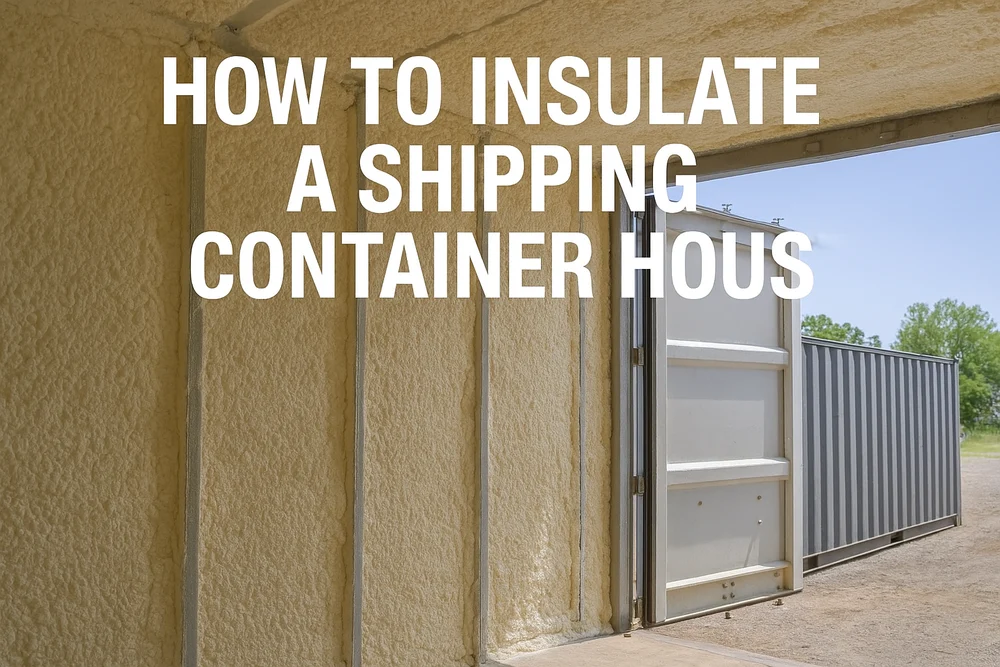
When you’re building or converting a shipping container house, insulation isn’t just a comfort feature; it’s actually necessary to make the space livable, energy-efficient, and resistant to moisture. Because steel conducts heat and cold very fast, a bare container becomes unbearably hot during summer and freezing in winter. Here, we will be walking you through how to insulate a shipping container house by comparing common materials, showing costs and R-values, and sharing practical tips from real builds to help you find what is right for your project.
Why Insulation Matters in a Container Home
Containers are steel boxes that have almost no thermal resistance of their own. If not insulated:
- You will feel extreme heat fluctuations indoors.
- Condensation may also occur- container sweat- along with rust, mold, and moisture damage.
- Energy bills will skyrocket as your overworked HVAC system struggles to keep up.
This is because it is very important to know the R-value, which refers to thermal resistance, and the moisture control. The higher the R-values, the better the thermal performance, but equally, if not more importantly, in a steel structure, moisture management is also key.
Top Insulation Options for Shipping Container Houses
Here is a comparative survey of practical application for the most commonly used insulation:
1. Closed-Cell Spray Foam (ccSPF)
Overview:
Among other insulations, closed-cell spray foam is the generally recognized best overall solution for container homes because it creates both insulation and a vapor barrier in a single application.
Why It Works Well:
- High R-value: about R-6 to R-7 per inch.
- Bonds directly to steel surfaces, filling gaps and sealing seams.
- Helps prevent condensation and air leaks.
Pros
- Very good moisture control and thermal performances.
- Saves interior space because of a high R-value per inch.
Disadvantages
- More expensive upfront.
- Professional installation is recommended, and often required for code compliance.
- The ceiling must be finished with fire-rated interior finishes, such as drywall.
2. Rigid Foam Boards (Polyiso, XPS, EPS)
Overview:
Rigid foam boards are an economic panel that can be installed on either interior or exterior surfaces.
R-Value Range Approximations
| Material | R-Value per Inch |
|---|---|
| Polyiso (Polyisocyanurate) | R-6.0 |
| XPS (Extruded Polystyrene) | R-5.0 |
| EPS (Expanded Polystyrene) | R-4.0 |
Pros:
- Provide good resistance to thermal leakage, provided that they are sealed properly.
- Exterior placement minimizes thermal bridging through steel.
Disadvantages:
- Seams should be carefully taped and sealed in order to avoid air leaks.
- Often requires cladding or additional siding when installed externally.
3. Batt Insulation (Fiberglass / Mineral Wool)
Overview:
Traditional batt insulation is installed in the inside of a framed wall.
Pros:
- Economical and easily available.
- Mineral wool adds to fire resistance and soundproofing.
Cons:
- Prone to moisture issues if used without an appropriate vapor barrier.
- Most steel framing studs could also provide a thermal bridge that reduces effective insulation.
4. Hybrid & Alternative Insulations
Some builders combine methods to balance cost and performance, such as combining spray foam with rigid exterior insulation.
Earth-friendly materials such as sheep wool, cotton denim, and cork are attracting attention for green builds. These generally offer lower R-values and require very careful moisture management.
How to Insulate a Container House: A Step-by-Step Guide
Below is a simplified process that works for most builds:
1. Prepare the Container
- Clean and prime interior metal.
- Put it on blocks so that air can flow underneath it to reduce moisture risks.
2. Insulation for the Floor
Install rigid foam panels on the original floor and cover with plywood or spray foam underneath for high performance.
3. Ceiling & Walls
- Spray Foam: Can be applied directly to steel for continuous barrier.
- Rigid Boards or Batts: Line up panels or frame walls and then subsequently add insulation, sealing gaps.
4. Seal & Finish
- Seal seams and penetrations by using canned foam or tape.
- Install interior finishes-drywall, paneling, or similar-on-site, as dictated by local codes.
5. Address Thermal Bridging
Avoid or mitigate metal framing studs that conduct heat across insulation layers.
Costs & Expectations
Insulation costs vary by method, size, and region, but here’s a rough range for a 40-foot shipping container:
| Method | Estimated Total Cost |
|---|---|
| Spray Foam | $3,200–$5,100 |
| Exterior Rigid Foam + Cladding | ~$3,000–$8,000 |
| Hybrid System | ~$4,500–$6,000 |
These figures include the cost of materials along with typical installation costs.
Climate & Performance Tips
- Cold Climates: Higher R-values should be aimed for, with continuous insulation to avoid heat loss and condensation.
- Hot/Humid Areas: Use moisture-resistant insulations (closed-cell foam or rigid boards) with good vapor control.
- Moderate Climates: Balanced systems often will work, but not at the expense of floor and ceiling insulation.
In my own experience, converting a 40-ft container in the temperate zone, a hybrid setup of thin spray foam inside with exterior rigid boards reduces seasonal energy use by almost 30% compared to interior-only approaches.
Common Mistakes to Avoid
- Not installing insulation on the floors: If there is poor insulation of the floors, they become cold, and condensation occurs with particular severity when the outside temperature lowers.
- Skipping Air Sealing: Even the very best insulation will fall short if seams and gaps aren’t sealed.
- Using Inappropriate Materials: Steer clear of insulation that absorbs moisture but is not adequately supported by a vapor barrier.
Conclusion
Proper insulation of a shipping container house turns it from a simple metal box into a comfortable, energy-efficient home. The choice of material and installation method would depend on your climate, budget, and build strategy. Although closed-cell spray foam often leads the pack in regard to performance, rigid foam and hybrid systems normally offer considerable flexibility and cost advantages to most builders.
The well-insulated container home doesn’t feel better to stay in; it performs better year after year.


