Prefab Container Homes Europe: Cost, Regulations, and Applications

The cost of prefab container homes varies from €25,000 to €90,000 depending on size, level of insulation, level of customization, and local regulations. Prefab container homes require a permit to be built and must comply with national energy efficiency regulations, such as nearly zero energy buildings.
Over the last decade, prefab container homes have come from being an experimental form of architecture to being used for residential purposes. This is because, across Europe, construction costs, density, and sustainability drive the adoption of prefab homes.
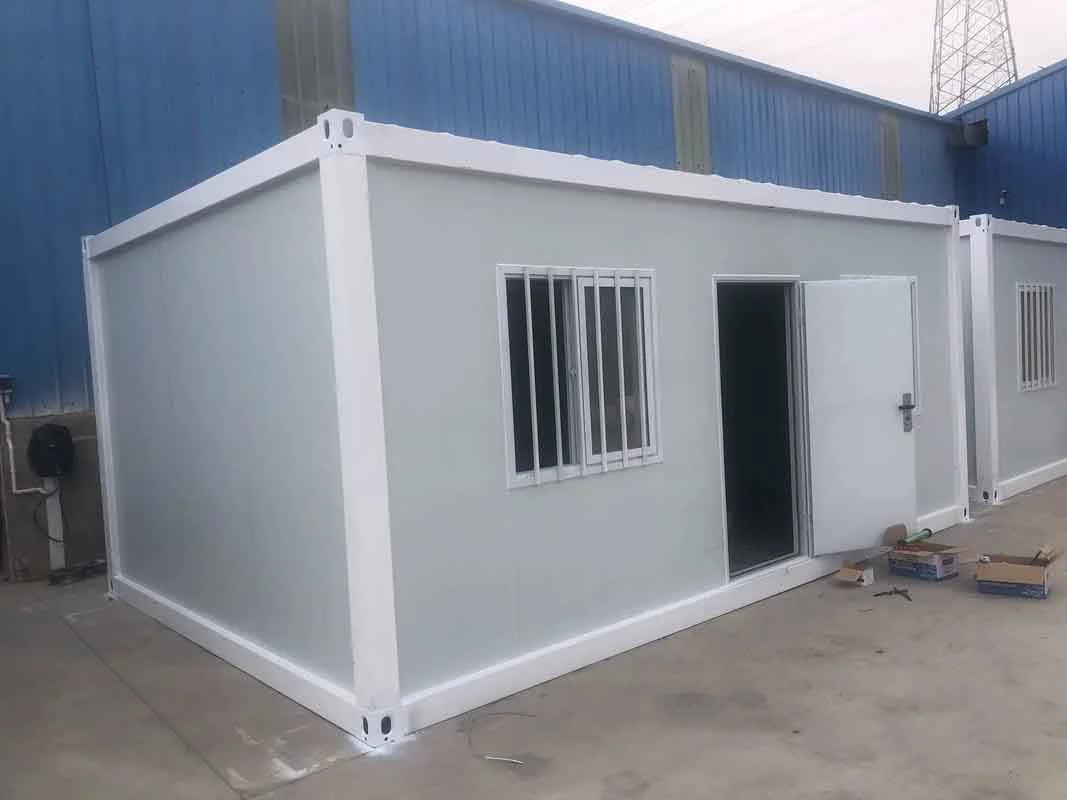
What Are Prefab Container Homes?
Prefab container homes are residential buildings that use modified shipping containers to provide shelter for individuals. These buildings are made in factories and then shipped to construction sites for assembly.
Some of its unique features include:
- Modular steel structure
- Precision manufacturing in factories
- Reduced construction times
- Scalability from single-family to multi-story buildings
- Flexibility during transportation
At HighJoule, we’ve seen that most individuals underestimate how flexible these homes can be. While they do come from shipping containers, they can be made to look no different from any other form of modern architecture.
Why Are Prefab Container Homes Increasing in Popularity in Europe?
There are several factors contributing to the increasing demand for prefab container homes in Europe:
1. Rise in Construction Costs
Construction costs in the European Union have increased by more than 30% in the last five years in many EU member states, according to Eurostat. Prefabricated construction reduces labor costs on-site, leading to significant savings in total construction costs.
2. Sustainability
The European Green Deal is pushing for more sustainable and green buildings. Prefabricated container homes can easily accommodate:
- Solar photovoltaic systems
- Air source heat pumps
- Triple glazing
- Mechanical Ventilation Heat Recovery systems
Steel is also highly recyclable. Using containers reduces the environmental footprint compared to concrete structures.
3. Speed of Deployment
It can take between 8 to 14 months to construct a traditional home. Prefabricated container homes can be delivered in between 8 to 16 weeks.
This speed of deployment is crucial in countries experiencing housing shortages, such as Germany and France.
Do Prefab Container Homes Require Planning Permission in Europe?
Yes, they require planning permission in most European countries.
Despite being modular in design, container homes are considered permanent structures when connected to services and occupied in the long term. Each country has its requirements:
Germany
Permits required – Baugenehmigung (Building Permit)
France
Permits required – Structures larger than 20 m² require planning permission
Spain
Permits required – Approval from the municipality
Netherlands
Permits required – Stringent zoning and environmental requirements
It is always important to work with a local architect or engineering firm who is aware of the local requirements. HighJoule can provide structural calculations, CE certification documentation, and energy performance data required to obtain planning permission.
Energy Performance and Insulation Standards
Considering the climate in Europe ranges from extremely cold in the North to extremely hot in the South, it is obvious why insulation design is important.
Typical wall construction:
- Steel container outer shell
- Vapor barrier
- Mineral wool or PU insulation (80-150 mm)
- Gypsum or decorative inner panel
Simple comparison table of insulation types and suitability:
| Insulation Thickness | Typical U-Value (W/m²K) | Climate Suitability |
|---|---|---|
| 80 mm PU | 0.30–0.35 | Southern Europe |
| 120 mm Mineral Wool | 0.20–0.25 | Central Europe |
| 150 mm High-Density | 0.15–0.18 | Northern Europe |
Real-Life Case Study of Prefabricated Container Housing in Amsterdam
One of the most famous examples of container housing in Europe is in Amsterdam. Several hundred containers are stacked to provide student housing. This is an exemplary case of:
- Fast construction time (less than a year)
- Cost-effectiveness compared to concrete structures
- Durability beyond initial expectations
Container housing has proven to last longer than expected – more than a decade.
How Long Do Prefabricated Containers Last?
Containers are expected to last between 25 to 50 years when proper anti-corrosion and structural reinforcements are applied.
Factors Affecting the Durability of Containers:
- Sandblasting and application of rust-proof coatings
- Proper roof waterproofing
- Raising the containers to avoid moisture from the ground
- Repainting the outer surface every 8-10 years
People often think containers are fragile and cannot last long because they are used to store goods. This is not the case. Shipping containers are designed to withstand oceanic travel and are subject to weights of more than 20 tons.
Cost Breakdown in Europe
The following is a general cost reference guide for 2026:
| Type | Size | Estimated Cost (EUR) |
|---|---|---|
| Basic Studio Unit | 20–30 m² | €25,000–€40,000 |
| 1–2 Bedroom Modular | 40–70 m² | €45,000–€75,000 |
| Luxury Custom Design | 80+ m² | €80,000–€120,000 |
The cost of prefab homes is affected by several factors, such as:
- Interior finishing
- Type of foundation
- Transportation distance
- Energy systems
- Labor costs
From my point of view, I believe the distance of transporting the prefab home is often underestimated. For instance, transporting a prefab home to a rural area in Sweden may prove to be costly.
Are Prefab Container Homes Comfortable to Live In?
Yes, they are comfortable to live in. There are a number of reasons why people are concerned about living in a prefab container home. They include:
- Noise from rain hitting the metal roof
- Temperature fluctuation
- Ceiling height
However, modern designs of prefab homes have been able to overcome these problems through the following solutions:
- Insulation against noise from rain
- Double roofing systems
- Modifying the ceiling height
Expanded Use Cases for Prefab Container Homes in Europe
Prefabricated container homes have the following use cases:
- Remote work retreats
- Tourism cabins
- Emergency homes
- Backyard rentals
- Temporary workforce housing
For Italy and Spain, which have large tourism industries, container home rentals are becoming increasingly popular.
Final Thoughts from Industry Experience
Having worked extensively with modular steel homes, I have seen that the skepticism that first meets the eye vanishes when the client actually sees the completed project. The industrial look is optional, but the benefits of speed, strength, and flexibility remain the same.
Prefabricated container homes are not a flash in the pan. They are a viable solution to the demands of the market, the environment, and the budget. And for HighJoule, it’s no longer just a matter of delivering a box; it’s a matter of delivering a home that meets all the requirements and standards that the European market demands.


