No, solar panels will not damage your roof if installed properly. Professional installers use special mounting systems that protect roofing materials and prevent leaks. Always ensure your contractor is certified and familiar with your type of roof.
Do Solar Panels Void Your Roof Warranty?

Ethan Parker
Blog Author
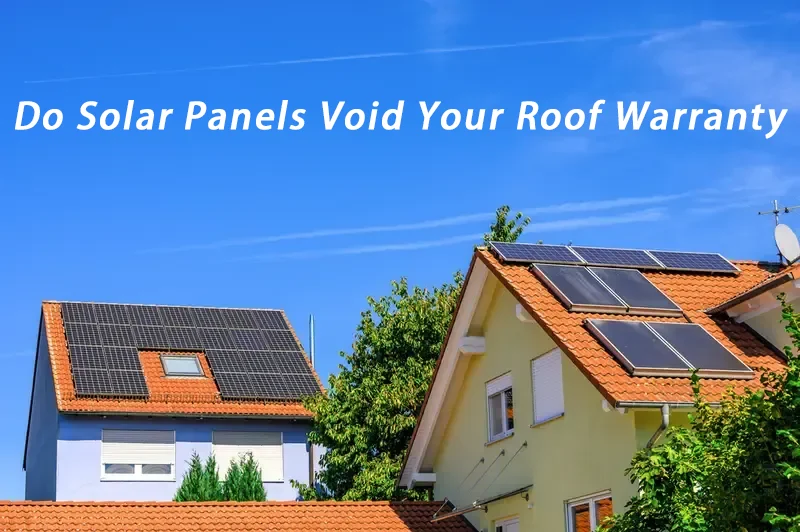
Installing solar panels is one of the smartest ways to cut energy costs and increase your home’s value. But there’s one question that often worries homeowners: Do solar panels void your roof warranty? The short answer is no – not if they’re installed correctly. However, improper installation or lack of coordination with your roofing manufacturer can put your warranty at risk. Let’s break down how to protect both your solar investment and your roof coverage.
How Does the Roofing Warranty Work?
Most roofing systems carry two types of warranties:
- Manufacturer’s Warranty: Covers defects in roofing materials. It usually lasts for 25-50 years.
- Workmanship Warranty: Offered by your roofer, this usually lasts for 5–10 years, covering installation errors like leaks and other sealing problems.
Installing solar panels means that you are adding equipment to your roof that may require drilling or hardware mounting, which could impact such warranties if not done appropriately.
Will Solar Panels Void My Roof Warranty?
Not automatically. In most cases, your roof warranty will remain valid as long as:
- The solar installation follows the roofing manufacturer’s guidelines.
- Installation does not cause any damage.
- You notify the roofing company or manufacturer before installation.
For instance, roofing manufacturer GAF confirms that solar panels will not void a warranty if installed by an approved or certified solar installer. However, some roof companies require notification or coordination in advance, and a few might insist that only their team can install the panels.
It’s worth noting that some contractors may use “warranty void” as a sales tactic to keep your business. Legally, they can’t deny warranty coverage on areas unrelated to the solar installation.
Common Scenarios Homeowners Face
One homeowner in the Reddit thread mentioned that his roofing company told him installing solar would void a 50-year warranty, unless they did the installation. Multiple users said that certified installers and major manufacturers allow solar integrations without voiding coverage.
Problems only arise when there’s any sort of damage. If the solar installer drills too close to flashing or valleys, leaks can occur. In that case, the affected section may fall outside the roofing warranty. Because of this, it is important to ensure good workmanship and clear documentation.
How to Avoid Voiding Your Roof Warranty
Here’s a step-by-step checklist to protect your warranty and give you peace of mind:
- Notify Your Roofing Manufacturer
Before installation, call or email your roofing manufacturer to confirm their solar policy. Some require pre-approval or coordination with certified installers. - Choose a Reputable Solar Installer
Work with a company that has experience with roof-mounted solar systems and knowledge of roofing materials. Find a NABCEP-certified professional or a company offering both roofing and solar services. - Inspect Before and After Installation
Consider having a professional inspection prior to the installation of panels to document the condition of your roof. Schedule another afterward to confirm there’s no damage. - Ensure Proper Mounting and Flashing
An accomplished installer will use the proper flashing, sealants, and mounting systems to eliminate leaks. Installers who take shortcuts on sealing or use generic hardware should be avoided. - Coordinate With Your Roofer
If possible, have your original roofer and solar installer communicate directly to maintain the validity of your warranties. - Request a Warranty Continuance Letter
Some roofing manufacturers will provide a written statement confirming your warranty remains valid after solar installation. Keep this document for future reference. - Understand Both Warranties
Even if your roof warranty becomes limited in some areas, your solar company usually provides its own workmanship guarantee in regards to the installation itself.
Comparing Roof Materials and Solar Compatibility
| Roof Type | Installation Difficulty | Risk of Warranty Issues | Notes |
| Asphalt Shingle | Easy | Low | Most common and solar-friendly |
| Tile Roof | Moderate | Medium | Requires careful drilling to avoid breakage |
| Metal Roof | Easy | Very Low | Often no drilling needed; ideal for solar |
| Flat Roof | Moderate | Medium | Needs proper drainage and ballast mounting |
Different roofs respond to different methods of solar mounting. Metal roofs, for instance, are highly compatible and barely have any penetrations that could void their warranties.
Expert View: Why Installation Matters
Having worked with roofing and solar teams, I’ve witnessed firsthand just how much the installation process matters. A top-notch installer will:
- Follow the manufacturer’s exact specifications.
- Use precision tools to avoid cracking shingles or damaging underlayment.
- Seal any/all penetration points to prevent leaks.
In contrast, cheap, rushed installations usually result in post-installation warranty disputes. Spending a little more for a certified solar company usually saves you thousands later in repairs.
Final Thoughts
Installing solar panels does not automatically void your roof warranty, but that truly depends on how it’s done and who does it. It all boils down to communication and keeping proper documentation. Before you go solar, talk to both your roofer and your solar provider, confirm manufacturer policies, and keep all the paperwork. Properly handled, solar panels can boost your home’s sustainability without sacrificing either the warranty or roof integrity.
FAQs
Yes, most roof warranties remain valid if the installation is done by following the manufacturer's guidelines. It's all about proper sealing and flashing around mounting points to prevent water intrusion.
Yes, they can. Professional installers can remove and reinstall solar panels without invalidating your warranty or causing damage to shingles, but just remember to schedule your maintenance with professionals.
In most instances, no. Many insurance companies already include solar systems under your dwelling coverage but it's wise to notify your insurer in advance of installation to confirm your policy details.
A licensed installer should be selected, and documentation of all roof penetrations should be requested, along with confirmation of compatibility with your roofing material. It is also good to keep the records of installation, as these will be helpful if any warranty claims are necessary.
Solar Container House with Full Bath — Off-Grid Comfort in a Box
< Previous post
General Contractor Container Homes Gulf Shores AL
Next post >
About Author
Ethan Parker
I am an electrical engineer at HighJoule with 8 years of industry experience. I enjoy writing articles about my experiences and insights at work and posting them online.


