Australia Solar Off Grid Container Homes Guide

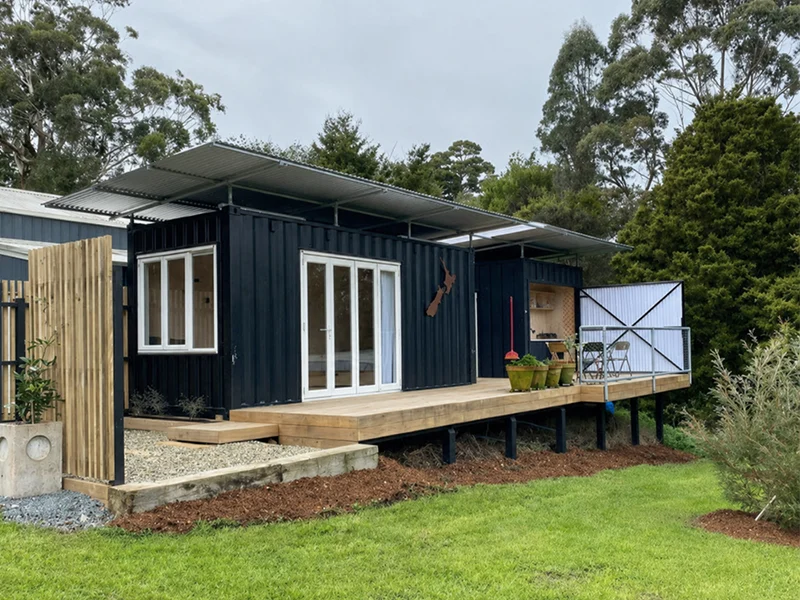
The Australian nation has been inspiring people to live differently. Right from the Outback to isolated coastal areas to the mountains, many are opting to build houses that give them independence from conventional utility services. An off grid container home Australia design involves container building combined with solar power and ensures an amazing life wherever you go.
We have realized at HighJoule an increased number of inquiries regarding the use of solar-powered container houses from landowners, tourism operations, farmers, and mining ventures. After having followed the evolution of off grid living over the years, there is one thing we can say with certainty; modern off grid systems are much more efficient than one might think.
The Reasons for Choosing Container Housing in Australia
Australian weather conditions and landscape suggest container housing to be an appropriate option. Large estates, distant construction sites, and eco-resorts need structures that can be moved and assembled quickly.
Here are some advantages container housing has in comparison with other buildings:
- Faster assembly
- Cheaper construction process
- Steel body
- Mobility
- Versatility of design
- Perfect for module-based extension
Once equipped with solar panels and energy storage devices on the roof, such houses become completely autonomous.
Why Solar Energy Is Suitable for Off-Grid Use
In Australia, there are some of the best conditions for solar energy. In many areas of the country, solar energy is available all year round, which makes it a perfect fit for off-grid construction.
The elements of a standard solar power container house include:
- Solar photovoltaic cells
- Hybrid inverter
- Battery storage lithium
- Battery Management System (BMS)
- Connection of backup generator (optional)
- System monitoring
During the day time, solar cells produce energy to supply appliances and charge batteries. At night, when it is overcast, batteries provide necessary energy for the functioning of the house.
It is much cheaper and environmentally friendly than conventional energy use.
Typical Applications
The off-grid container house is not limited to merely a weekend get-away cabin. There are many applications for these kinds of systems in Australia.
Remote Residential Accommodation
Those living out in remote regions that do not have access to any infrastructure can have access to power without costly grid connections.
Eco Tourism
Glamping and eco-tourism sites have started using these solar-powered container houses that offer accommodation without destroying the environment.
Farm Land
Farmers require accommodations for their employees or even office space in far-off areas from power grids.
Mining and Exploration
This application helps in offering temporary accommodation with solar energy that replaces the usage of diesel generators.
Emergency Accommodations
Such containers can also be used as a source of quick housing when disaster strikes.
What Features Make a Good Solar Container Home?
Not all container homes operate as true off-grid systems. There should be a focus on efficiency and durability when designing such systems.
The important components are:
Highly Efficient Solar Panels
Today’s monocrystalline panels produce power while requiring less roof space.
Lithium Battery Energy Storage
The lithium iron phosphate (LiFePO₄) batteries have become the standard because they have the following features:
- Longevity
- Safety
- Capacity for deep discharges
- Low maintenance
Insulation
There are high summer temperatures and cold winter nights in Australia. Insulation can help to save on energy consumption as it will provide comfortable temperatures inside the home.
Energy Management
Homeowners can monitor their batteries’ charge levels, the amount of solar power generated, and electricity consumption through a mobile application or control panel.
Choosing the Right System Size
Every project has different energy requirements. Before selecting a solar system, it is important to estimate daily electricity consumption.
Typical household loads include:
| Appliance | Daily Consumption |
|---|---|
| Refrigerator | 1–2 kWh |
| LED lighting | 0.5–1 kWh |
| Television | 0.5 kWh |
| Laptop and electronics | 0.5–1 kWh |
| Water pump | 1–3 kWh |
| Air conditioning (if used) | 4–8 kWh |
For many small off-grid container homes, solar systems between 5 kW and 10 kW, combined with 10–30 kWh of battery storage, provide a practical balance between performance and cost. Larger homes or commercial projects may require significantly higher capacities.
Design Guidelines for Australia’s Climatic Conditions
Climate conditions in Australia vary considerably from one place to another. Therefore, it is advisable to design the containers in relation to their environment.
Some design guidelines can be:
- Orientation of solar panels to get more sun exposure.
- Provision for proper roof ventilation.
- Provision of double-glazed windows if possible.
- Provide shade to the exterior of west-facing walls.
- Installation of rainwater collection tanks.
- Provision for future expansion of batteries.
Such designs will ensure comfort and reduce electricity usage.
Modular Container Homes Gaining Popularity
Flexibility is another feature that I really like because many start off with one container home on the weekends and expand later on.
This means that modular containers can be expanded into:
- Additional bedrooms
- Office space
- Storage space
- Outdoor space
- Additional solar panels
- Bigger battery systems
Containers can therefore be used for both residential and commercial purposes.
HighJoule Solar Container Home Solutions
We offer HighJoule solar container home solutions that are engineered to provide off-the-grid capabilities. Our solution goes beyond mere container structures; it comprises the entire package – power production, energy storage, and intelligent management.
The typical specifications of our products include:
- Custom layout for the container
- High efficiency solar panels
- Battery systems based on LiFePO₄
- Hybrid inverters
- Smart monitoring system
- Expandable energy storage
- Generators for backup where necessary
Our engineering department is ready to design the system in accordance with the weather in the region and the needed energy consumption.
Conclusion
A portable container house Australia project goes beyond creating a contemporary place to live, providing energy independence, mobility, and sustainability. With further improvements in solar power systems and falling costs for batteries, the option of creating completely sustainable homes is gaining more and more traction throughout Australia.
Anyone looking to build a house at a distance from the city, develop tourism infrastructure, create an agriculture center, or construct a temporary construction site will benefit greatly from the durable and flexible solar powered container house.


