Are Container Homes Suitable for Permanent Residence?

Container homes can indeed be good options for permanent habitation when adequately designed, insulated, and constructed according to local building codes. Container homes are now durable, affordable, and versatile, offering an effective choice for most home buyers. Nevertheless, elements such as climate, the level of insulation, design, among others, contribute immensely to their overall suitability.
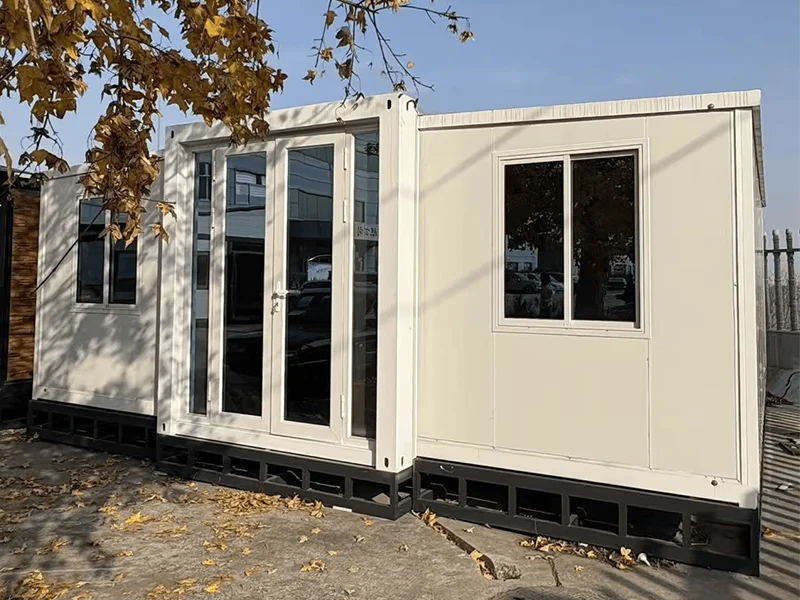
Why Container Homes Have Turned Out to Be Popular Options for Residences
Containers are sturdy because they were initially manufactured for use in transportation at sea. Therefore, they are strong enough to endure tough conditions as long as adequate modifications have been made.
Today, container homes are much more than just experiments. In the recent past, they have become useful for:
- Permanent family living
- Vacation cottages
- Guest homes
- Student living spaces
- Employee housing
- Off-grid dwellings
Their modern look and quicker construction time, in addition to their lower use of building materials, are some of the main reasons they are favored.
Benefits of Living in Container Homes Permanently
Structural Durability
Shipping containers are built using rust-resistant steel that is able to bear loads during transportation. Well-maintained container houses can serve for decades.
The main advantages include:
- High structural durability
- Pest resistance (e.g., termite resistance)
- Sturdiness in the wind
- Possibility of transportation
- Time-saving Construction
Regular houses take months to build. Container houses help save a lot of time on building since their main construction is ready.
Some of the steps that need to be done while constructing a container house include:
- Foundation construction
- Container placement
- Interior construction
- Installation of utilities
- Finishing
The complexity of the design defines how long the construction will take. However, it is often finished within a few months.
Design Flexibility
Many people mistakenly assume that container homes are very small. The thing is that it is possible to build a house from several containers.
Examples of container homes include:
- 20 ft single containers
- 40 ft single containers
- Two-container houses
- Multiple-container luxury houses
- Modular expanding container homes
Modern architectural solutions can provide windows, roofs with a terrace, open kitchens, and several rooms.
Potential Cost Savings
Although costs vary by location, container homes may offer savings compared to traditional construction.
| Housing Type | Approximate Construction Cost (USD/sq ft) |
|---|---|
| Traditional House | $150–$300+ |
| Basic Container Home | $80–$180 |
| Premium Container Home | $150–$250 |
Actual costs depend on land prices, labor rates, permits, insulation systems, and interior finishes.
Challenges of Permanent Container Homes
Though there are several pros to container homes, they certainly have their downsides.
Insulation Is Crucial
Steel is much better at conducting heat and cold compared to traditional construction materials.
Lack of appropriate insulation may lead to:
- Very warm homes during summertime
- Frost forming on surfaces inside during wintertime
- Condensation problems
Insulation is very important for permanent residences, so you might consider installing:
- Spray foam insulation system
- Rock wool insulation
- Polyurethane panels
- Ventilated wall panels
Based on my personal experience, quality insulation is often the main distinguishing element of comfortable and uncomfortable container homes.
Building Regulations and Permits
There are some locations with strict zoning and building codes concerning containers used for housing purposes.
Homeowners need to be sure about:
- Local land use rules
- Building codes for residential buildings
- Engineering requirements
- Utility connections
By obtaining permits early, you can avoid costly changes to your original project later.
Space Planning Is Key
Shipping containers are pretty narrow by nature. If space is not planned effectively, homes can turn out to be cramped and uncomfortable.
The most successful designs usually include:
- Open spaces and layouts
- High ceilings where applicable
- Big windows
- Natural lighting solutions
- Outdoor spaces
Real-Life Example
An Australian family converted three 40ft shipping containers into a residential space measuring about 1,900 square feet.
It featured:
- Three bedrooms
- Two bathrooms
- Solar-powered system
- Rain water harvesting system
- Large deck area
Some years down the line, the residents claimed energy savings and reduced maintenance costs than before in their conventional house.
This is an example that proves that shipping container homes are suitable for long-term accommodation when constructed properly.
Can Container Homes Be Used in Combination With Solar Power?
Of course.
Among the most appealing qualities of contemporary container homes is their ability to integrate with renewable energy sources.
Some of the available options are:
- Rooftop solar panels
- Energy storage systems
- Solar hybrid systems
- Grid independent systems
For locations off-the-grid, businesses like HighJoule offer prefab container homes capable of integrating with solar power systems, thus ensuring increased sustainability and energy independence.
The installation of solar panels into a container home will help save on electric bills while increasing resilience in case of blackouts.
Who Should Think About Buying a Container House?
A container house could be a great option for:
- First-time home buyers
- Those who love going off the grid
- Environmentally minded families
- People who own vacation houses
- Landowners in rural areas
- People looking to buy a rental property
However, container houses might not be ideal for those who have more conventional tastes when it comes to architecture and people living in places where there are strict construction codes.
Conclusion
Container homes can be used for permanent residence. The longevity of such houses, their flexible design, and the possibility of saving money when purchasing such properties may be regarded as their advantages compared to traditional houses. However, the main prerequisite for successful operation is the proper design and construction of houses according to the building codes of the locality.
With the rapid development of prefabricated construction methods, container homes are becoming even more comfortable and stylish than they have been in previous years. Therefore, it should be noted that this type of housing can serve people for many years to come.


