Best Design Ideas for a Modern Shipping Container Home

Some of the best designs for a modern shipping container home would center around making the most use of space, maximizing natural light, insulating properly, and incorporating sustainable technology—all while keeping an eye on aesthetics.
There is much more to shipping container homes than simply a box made out of steel. It is possible to make them as comfortable and efficient as traditional homes. Let’s take a look at what works, and what does not.
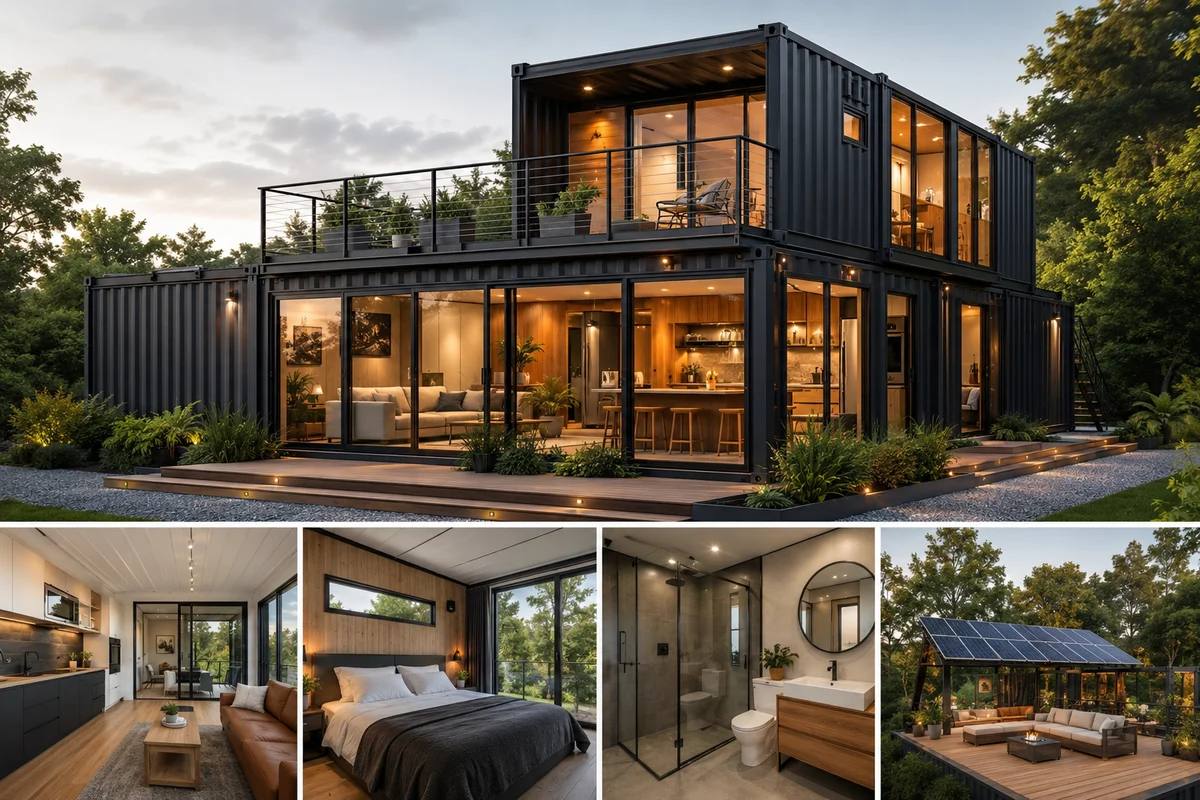
1. Open Plans Make Tiny Spaces Feel Spacious
Container homes come in narrow profiles, so demolishing any interior walls becomes one of the smartest steps.
How it benefits:
- Improves ventilation and lighting
- Creates an uninterrupted look
- Transforms 320 sq ft into something quite comfortable for living
Suggestions:
- Integrate kitchen, dining, and living spaces
- Opt for sliding doors rather than swinging doors
- Install built-in furniture to avoid clutter
In one project that I was involved in, demolishing one interior wall created additional space by around 18%.
2. Floor-to-Ceiling Glass for Light and Openness
Steel box structures can be confining; however, huge windows will entirely change this perception.
Some of these include:
- Full glass wall panels for outdoor views
- Glass sliding doors for decks
- Skylights for allowing vertical passage of sunlight
The disadvantage of having more glass panes is:
- Increased heating during summers
- Problems in achieving proper insulation
One way to solve this problem is to use low-e double glazed glass.
3. Intelligent Insulation is Essential
The material used for constructing containers is steel, which conducts heat swiftly. If proper insulation is not done, you will find your house to be like an oven during the summers and an icebox during the winters.
Best insulation methods:
| Insulation Type | Pros | Cons |
|---|---|---|
| Spray Foam | High efficiency, airtight | Higher cost |
| Rigid Foam Board | Good thermal performance | Needs precise fitting |
| Mineral Wool | Fire-resistant, eco-friendly | Slightly bulkier |
From experience, spray foam insulation delivers the best long-term comfort, especially in extreme climates.
4. Stacking Containers to Create Creative Designs
One shipping container is a constraint, but two or more can be fascinating.
Examples of creative designs:
- L-design: Creates private outdoor spaces
- Stacking containers: Provides extra vertical space
- Offset design: Offers balconies or shaded spaces
Here are examples of homes:
- 2-container home: Approximately 640 sq feet
- 4-container home: Approximately 1,280 sq feet
5. Rooftop Decks and Outdoor Living Spaces
Container houses in contemporary times may go beyond just their interiors.
Why it is important:
- Increases space without expanding the area
- Increases lifestyle value
- Enhances ventilation and cooling
Suggestions for ideas:
- Garden or lounging space on the roof
- Deck made of wood along with a pergola
- Kitchen or barbecue space outdoors
A rooftop deck may add up to 30% additional space to your home.
6. Integrated Solar Systems for Energy Independence
A significant factor for selecting container homes is sustainability. Using solar energy extends the concept.
Companies such as HighJoule manufacture prefabricated container homes with options to integrate solar systems, thus simplifying the process of creating off-the-grid or hybrid energy solutions.
Solar installation requirements:
- 3–5 kW solar panels
- Lithium batteries (LiFePO4 recommended)
- Hybrid inverter system
Advantages include:
- Reduced energy costs
- Alternative source of energy during power shortages
- Smaller carbon footprint
For instance, an off-the-grid project utilized a 5kW system to meet 90% of energy consumption.
7. Multi-functional Furniture & Storage
Space saving is the name of the game.
Examples:
- Beds that fold down (Murphy bed)
- Storage space under stairs
- Multi-use dining/work table
Remember, each piece of furniture must have more than one function.
8. Industrial-Modern Look
Industrial design is inherent in shipping container houses but not necessarily uncomfortable or harsh.
Suggestions:
- Make sure there is a bit of exposed metal for an industrial look
- Choose materials that are warm like wood and fabric
- Limit colors to neutral (white, grey, and black) palette
This combination results in a modern, yet cozy atmosphere.
9. Ventilation and Climate-Based Design
Ventilation is frequently ignored but extremely important.
Design strategies:
- Cross-ventilation using windows from two opposing directions
- Ceiling fans for ventilation
- Shade structures such as louvers and overhangs
In hot climates, coolness-based design may help save energy by up to 25%.
10. Real Case Snapshot
Here’s a quick look at a typical modern container home configuration:
| Feature | Specification |
|---|---|
| Containers Used | 3 (40-ft) |
| Total Area | ~960 sq ft |
| Bedrooms | 2 |
| Solar System | 4 kW + battery storage |
| Build Time | 2–4 months |
| Estimated Cost | $80,000 – $150,000 |
Final Words
In conclusion, designing a contemporary container home is all about finding a delicate balance between beauty and functionality, sustainability and comfort, economy and innovation.
The best-designed container homes neither deny nor ignore their container foundations; they accept them and complement them with intelligent architectural decisions. From installing glass windows to stacking modules and integrating solar energy, all design decisions must fulfill both aesthetic and functional purposes.
If done carefully, living in a container home is not just fashionable but also practical and innovative.


