Modular Construction for Rapid Housing Deployment

Modular housing as an immediate solution for rapid deployment has proved to be the answer to the question of how to provide safe and respectful housing in the short term when time and budgets are constrained. Such a question arises in the wake of natural disasters, in periods of housing shortages, and in remote and rapidly developing areas. Within this article, I will analyze how this process of modular construction takes place, its effectiveness in rapid deployment, its applications in the present day, and how this modality is set to change in the coming years.
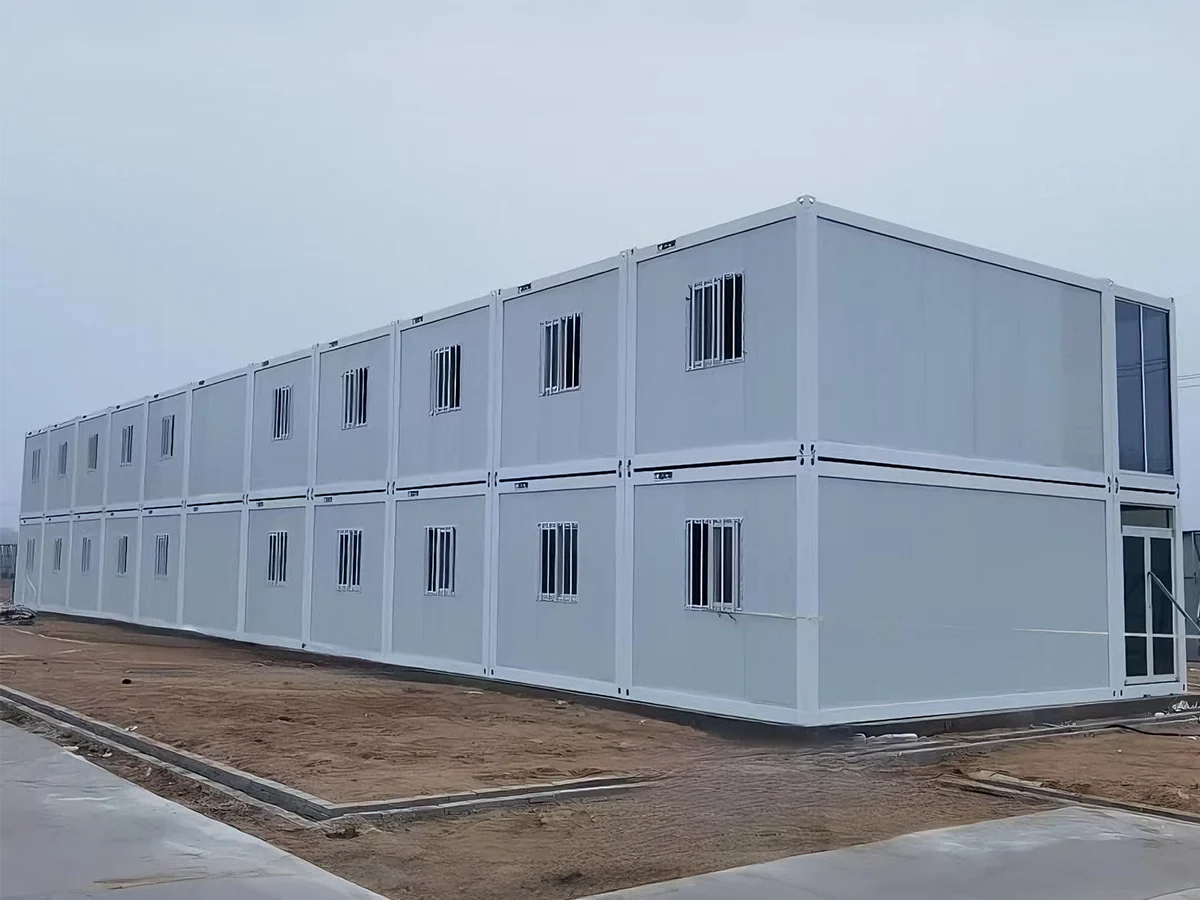
What Is Modular Construction for Rapid Housing Deployment?
In short, “modular construction” is a process where housing elements, known as “modules,” can be built in factories rather than in their entirely at a building site.
For rapid deployment of housing, this model turns all conventional wisdom upside down. While the land is being prepared (laying foundations, putting in infrastructure, obtaining permits), the housing units are simultaneously being constructed.
Once the units are delivered, they are rapidly linked together, and in some instances, the occupation of the structure commences instantly.
As someone who has dealt with infrastructure and energy projects, the first area where the biggest change is the speed, but the second is predictability. Building tends to be slowed down by inclement weather or the unavailability of labor. These problems are avoided with factory-made modules.
Modular Construction: Speeding Up Delivery of Homes
There are a few reasons why modular construction is faster than traditional construction:
Parallel workflows
Site preparation and module assembly are done simultaneously. Just this aspect allows for a potential shortening of the whole project by 30-50%.
Controlled Factory Environment
There are fewer production interruptions due to rain, hot weather, and supply chains because the manufacturer produces indoors.
Fast on-site assembly
Meanwhile, once the modules are shipped, they are stacked and linked within a few days.
Simplified Approvals in an Emergency Situation
During a disaster, FEMA and concerned authority bodies expedite permits for modular units while ensuring that safety standards are not compromised.
Consequently, projects that would take a half year are sometimes completed in a few weeks.
Major Benefits Provided by Modular Construction for Fast Deployment of Housing
Modular construction represents even more than a speedy procedure for erecting dwelling structures on land tracts.
1. Disaster Response
After an earthquake, hurricane, or fire, modular housing offers an instantaneous shelter solution that is not affected by the weather. These units can be designed to come apart easily and can be used again if they are deployed after an emergency.
2. Affordable Housing
“Factory standardization and efficiency drive down costs.” Standardization and factory production efficiency reduce costs. Research and actual experiences have revealed prices of building with modules to be between 10% and 20% below prices of site-built construction, and, in some cases, even
3. Offsite and temporary work locations
Modules can be moved by truck, rail transport, ship, or even airplanes. They are easily integrated into existing infrastructure such as electricity, water supply, and sanitation facilities. Therefore, they work well in a mining camp setting, a military base, or a rural setting.
4. Versatility within
Contrary to popular belief, rather than simply codifying as “temporary,” modular units can be approved for use as traditional dwellings, multifamily residences, and ADUs, catering to the prevailing codes and aesthetics.
Examples from the Real World Data
The effectiveness of modular construction in rapid housing deployment has long been proven.
| Location / Organization | Scenario | Outcome |
|---|---|---|
| Habitat for Humanity | Disaster recovery | Steel-frame modular homes delivered in days instead of months |
| Toronto, Canada | COVID-19 homelessness response | Modular housing rapidly deployed for vulnerable populations |
| North Bay, California | Wildfire recovery | High-quality modular homes used for fast, permanent rebuilding |
| Turkey & Syria (2023) | Earthquake response | Modular units housed ~1.5 million displaced people |
| North Carolina (2024) | Hurricane Helene | Modular homes integrated into official recovery strategy |
One such case is the construction of modular micro-homes, which was completed in less than 48 hours following the arrival of Hurricane Helene, and the shelters provided greater protection than tents or trailers.
Rapid Deployment Modular Systems: Taking it a Step Further
After the classical volumetric module, the rapid deployment module is gaining popularity. Rapid deployment modules feature standardized frames and wall panels designed to be stacked along the axes of X, Y, and Z.
Taken together, the main features
- Flat-pack transportation for effective storage and logistics
- On-site assembly requiring minimal equipment
- Designs for reusable, stackable, long-lasting containers.
- Adherence to local building codes and climatic conditions
For example, in a 200-square-foot storage area, the number of modules that are flat-packed can represent 1,600 square feet of space once the modules are assembled. Such space density has meaning when it comes to planning for emergencies on a global scale.
Myths and Misconceptions Surrounding Modular Home
A couple of issues I still hear frequently:
“It’s only temporary housing.”
This is false. Many modular homes actually meet or surpass conventional construction homes and are being utilized for permanent dwellings, clinics, and educational institutions.
“The quality is lower.”
Factory accuracy may bring about improved quality control, tighter tolerance, and reduced material loss.
“It’s too expensive to get started.”
Contractors and developers can indeed decrease risk with modular building. You worry about the site work, not the structural building.
Future Trends in Modular Construction for Rapid Housing Deployment
Looking into the future, the following are the trends that are presently shaping this area:
- Increase government engagement in disaster preparedness initiatives and affordable housing schemes
- Climate-adapted designs of modules for hot, cold, wind, and seismic conditions
- Hybrid models, where the traditional contractors work alongside modular producers
- “Sustainability integration, including energy efficient envelopes and renewable ready designs”
In my opinion, modular construction has transitioned from a “backup plan” solution to a foundational strategy. With increasing needs in housing and climate events becoming a common occurrence, speed and resiliency are going to be paramount as never before.


